
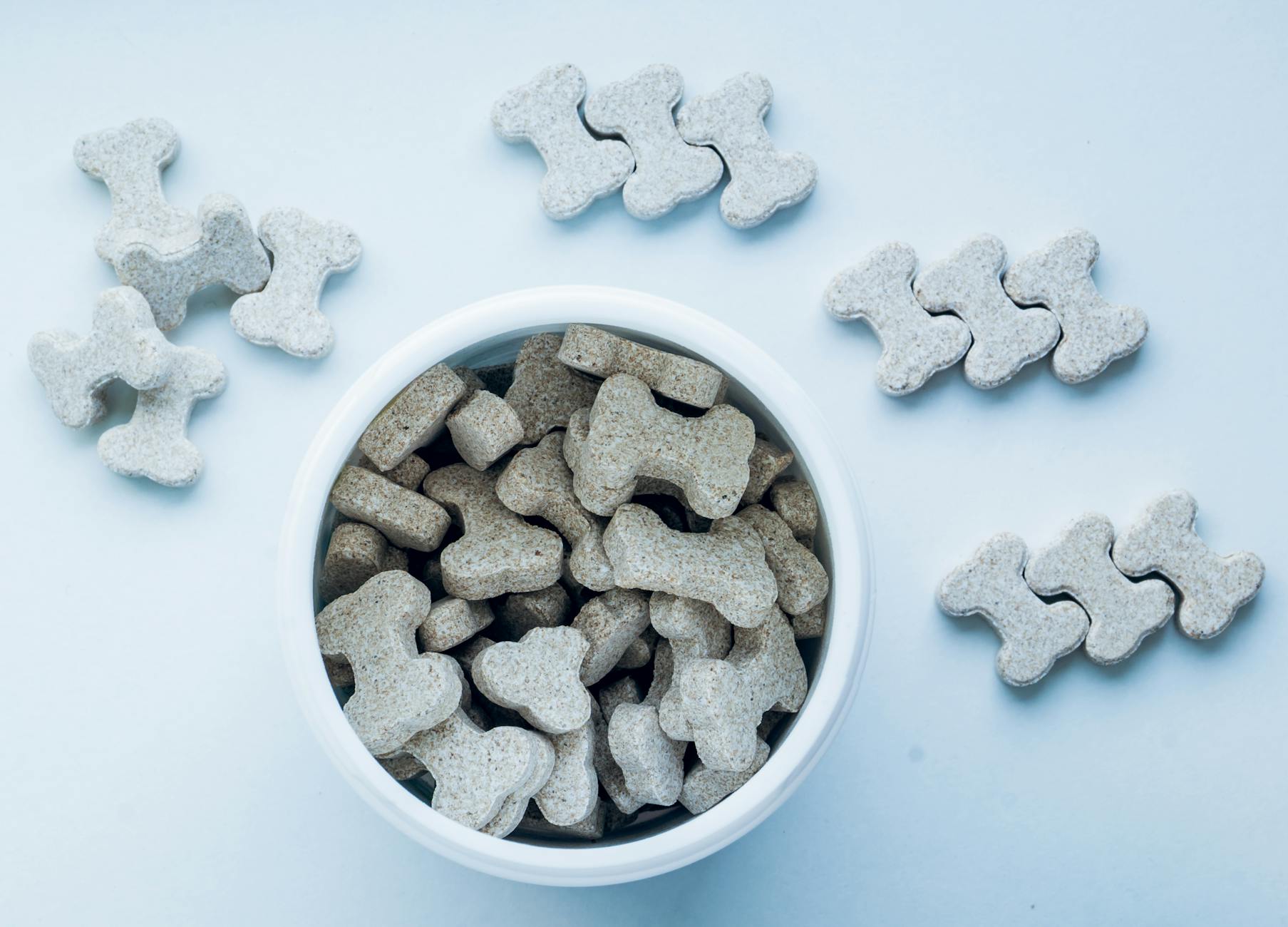
Treats are one of the best parts of being a pet owner. That look of pure excitement when your dog hears a bag crinkle or your cat comes running at the sound of a treat container opening — it’s hard not to smile. But not all treats are created equal, and some of the most popular options on store shelves are surprisingly unhealthy.
Picking the right treats isn’t just about making your pet happy in the moment. It’s about supporting their long-term health while still giving them something they genuinely enjoy. The good news is that it doesn’t take a veterinary nutrition degree to figure out which treats are worth buying and which ones belong back on the shelf.
The 10 Percent Rule
Before diving into specific treats, here’s the most important guideline to keep in mind: treats should make up no more than 10 percent of your pet’s daily calorie intake. The American Kennel Club and most veterinary nutritionists recommend this threshold to prevent weight gain and nutritional imbalance.
For a medium-sized dog eating around 1,000 calories per day, that’s 100 calories in treats — roughly three to four standard biscuits. For cats, who typically need 200 to 300 calories daily, it’s even less. Many cat treats are around 2 to 3 calories each, so a handful is usually fine.
The issue arises when treats become a significant portion of the diet. Overfeeding treats can lead to obesity, which the AVMA identifies as one of the most common health problems in pets today, contributing to diabetes, joint disease, and shortened lifespan.
What to Look For in Quality Treats
The same principles that apply to choosing good pet food apply to treats. Start by reading the ingredient list.
Short ingredient lists are usually better. Treats with five or fewer recognizable ingredients are generally a safe bet. If you can pronounce and identify every ingredient, that’s a good sign. Think single-ingredient treats like freeze-dried chicken, dehydrated sweet potato, or plain salmon bites.
Named protein sources should come first. “Chicken” is better than “poultry by-products.” “Salmon” is better than “fish meal.” You want to know exactly what protein your pet is eating, especially if they have any food sensitivities.
Look for functional ingredients. Some treats offer added health benefits — glucosamine for joint support, probiotics for digestion, or omega-3 fatty acids for skin and coat health. These can double as both a reward and a supplement.
Check the calorie count. Many treat packages list calories per treat, which makes it easy to stay within the 10 percent guideline. If the calorie information isn’t on the package, it’s usually available on the manufacturer’s website.
What to Avoid
Artificial colors and dyes. Your dog doesn’t care if their treat is bright red or green. Those colors are added purely for human appeal and offer zero nutritional benefit. Some studies have raised concerns about certain artificial dyes and their potential health effects.
Added sugars and excessive salt. Pets don’t need either of these. Sugary treats contribute to obesity and dental problems, while high-sodium treats can be problematic for pets with heart or kidney conditions.
Rawhide. Rawhide chews are one of the most common treats sold, but they carry real risks. They can splinter into sharp pieces, cause choking, or lead to intestinal blockages if swallowed in large chunks. Many veterinarians recommend avoiding rawhide entirely, especially for aggressive chewers.
Treats with vague ingredients. If the label says “animal fat” without specifying which animal, or lists “meat by-products” without identifying the source, the quality control likely isn’t great. Reputable manufacturers are transparent about their ingredients.
Xylitol. This artificial sweetener is showing up in more products every year, and it’s extremely dangerous for dogs. It can cause a rapid drop in blood sugar and liver failure. Always check the ingredient list for xylitol (sometimes listed as “birch sugar”), especially in peanut butter-flavored products.
Whole-Food Treats Your Pet Will Love
Some of the healthiest treats for pets are whole foods you already have at home. For dogs, baby carrots, blueberries, watermelon chunks (seedless), apple slices (without seeds or core), and plain cooked green beans are all safe and nutritious options.
For cats, small pieces of cooked chicken or turkey (plain, no seasoning), a few bonito flakes, or a tiny bit of canned pumpkin can serve as a treat. Cats tend to be pickier, so you might need to experiment to find what your specific cat enjoys.
These whole-food options have the added benefit of being very low in calories, making it nearly impossible to overfeed.
Treats for Specific Needs
If your pet has health issues, there are treat categories designed to help rather than just reward.
Dental treats like certain chews and dental sticks can help reduce plaque and tartar buildup. Look for the VOHC (Veterinary Oral Health Council) seal, which indicates the product has been tested and proven to support dental health.
Calming treats containing ingredients like chamomile, L-theanine, or melatonin can help anxious pets during stressful events like thunderstorms, fireworks, or travel. They’re not a replacement for behavioral training or medication, but they can take the edge off.
Joint support treats with glucosamine and chondroitin are popular for older dogs, especially large breeds prone to arthritis. These can complement (but not replace) veterinary treatment for joint issues.
Making Smart Choices
Choosing healthy treats isn’t about depriving your pet — it’s about making their rewards count. A high-quality treat that supports your pet’s health is better than a handful of empty-calorie biscuits, and your pet will enjoy them just as much.
Get in the habit of reading labels the same way you would for your own food. Once you know what to look for, finding good treats becomes second nature. And when in doubt, simple whole foods are almost always a safe, healthy, and affordable choice.