
Picture this. It’s late October, the holidays are coming, your car needs new tires, your annual car insurance premium just hit your inbox, and your dentist’s office called to remind you about the crown you’ve been putting off. You knew every one of these expenses was coming. You had months of warning on each. And yet, somehow, they all land on your budget in the same three-week span and suddenly you’re juggling credit cards, dipping into your emergency fund, or Googling “how to pay for Christmas without going into debt.”
This is the exact scenario sinking funds are designed to prevent. It’s a surprisingly old concept with a slightly unglamorous name, but once you understand how it works, it quietly solves one of the most common financial problems in modern life: the difference between an expense being a surprise and an expense feeling like one.
What a Sinking Fund Actually Is
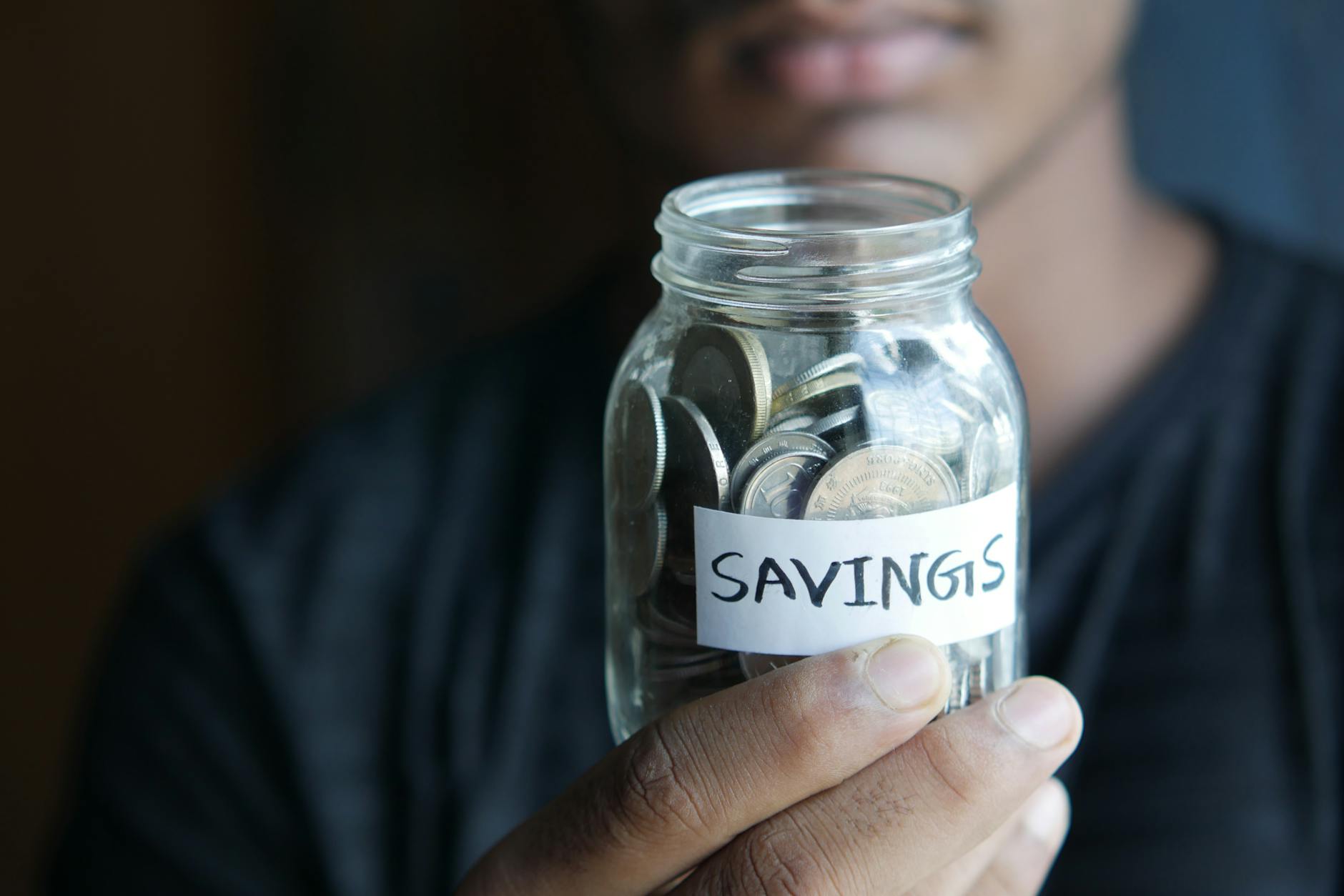
A sinking fund is a pool of money you set aside, a little at a time, for a specific expense you know is coming. That’s really the whole concept. Instead of scrambling to come up with $1,200 for your car insurance renewal in June, you save $100 per month starting in July of the previous year. By the time the bill hits, the money is already there, sitting in a separate account with a label on it.
The term itself comes from corporate finance. Companies that issue bonds set up sinking funds to gradually retire the debt, so the whole principal doesn’t come due at once. But as NerdWallet’s guide to sinking funds explains, personal finance folks borrowed the term to describe the exact same idea applied to household spending. Spread out a large, predictable cost so that no single paycheck has to absorb it.
The Distinction Between a Sinking Fund and an Emergency Fund
These two savings buckets get confused constantly, and keeping them separate is one of the most important things you can do for your financial stability. An emergency fund is for genuinely unexpected expenses — a job loss, a medical crisis, a hospital visit for a family member, a sudden roof leak. The classic guidance from the Consumer Financial Protection Bureau and most financial planners is to build one to three months of essential living expenses as a baseline, and work up to three to six months over time.
A sinking fund is different. It’s for expenses you know about in advance. Birthday gifts, holiday spending, annual subscriptions, property taxes, a vacation you’ve been planning, the next phone upgrade, your pet’s yearly vet visit. These aren’t emergencies. They’re scheduled. They only feel like emergencies because people don’t save for them in advance.
Kumiko Love, an accredited financial counselor who’s written extensively on this topic, puts the distinction simply: an emergency fund is for true emergencies, and a sinking fund is for a dedicated, expected planned purchase in the future that we know is coming. Keeping them in separate accounts isn’t just bureaucratic — it’s a guard against the human tendency to rationalize a vacation as an emergency when the money is sitting in one big pot.
The Simple Math That Makes It Work
Setting up a sinking fund doesn’t require any kind of complicated formula. You take the total cost of the future expense, divide it by the number of months until you’ll need it, and set up an automatic transfer for that amount. That’s it.
A $2,400 vacation in eight months? $300 a month. A $600 holiday gift budget starting in January? $50 a month. A $1,800 set of tires you know you’ll need in 18 months? $100 a month. The beauty is that none of these amounts, taken individually, is painful. The pain comes from trying to absorb them all at once without having saved. When you spread them out, they become another line item alongside rent and groceries — annoying, maybe, but manageable.
Where to Actually Keep the Money
This is where some people overthink it and others underthink it. You have three reasonable options.
The first is a dedicated high-yield savings account for each sinking fund. Some people love this approach because the physical separation makes it nearly impossible to accidentally spend the money on something else. Many online banks, including Ally, Capital One, and SoFi, let you open multiple savings accounts or create named “buckets” within a single account, which is essentially the same thing without the account-opening overhead. With high-yield savings rates still running around 3% to 4% APY as of early 2026, according to Bankrate’s savings rate tracker, your sinking funds can quietly earn money while they wait.
The second is a single savings account with a spreadsheet or ledger that tracks what each dollar is for. This is mentally harder because the money is commingled, but it’s simpler operationally. It works best for people who are disciplined about not touching anything that isn’t explicitly earmarked.
The third, and the one most budget apps like YNAB and Monarch are built around, is virtual buckets — the money lives in one account but the budgeting software allocates each dollar to a specific goal. This approach has become dramatically more popular over the last few years because it combines the simplicity of one account with the mental clarity of separation.
The choice matters less than the habit. What actually makes sinking funds work is the consistency of the contributions, not the architecture of the accounts.
The Categories Most People Forget
Most people who try sinking funds start with the obvious suspects: holidays, vacations, birthdays. Those are good, but the real magic happens when you apply the same thinking to the expenses that are technically predictable but feel like they come out of nowhere.
Car maintenance is a classic example. If you drive a car for ten years, you will, with near certainty, spend thousands of dollars on tires, brakes, batteries, and routine repairs. Budgeting $75 a month for a “car maintenance” sinking fund turns those repairs from a crisis into a non-event.
Annual insurance premiums are another. Many people pay auto and home insurance in a lump sum once or twice a year to avoid monthly installment fees, but then they’re scrambling when the bill arrives. A simple monthly contribution handles it.
Pet expenses have become a bigger category too. Veterinary costs have risen sharply in recent years — a recent study by the American Animal Hospital Association found that nearly half of pet owners said unexpected pet expenses caused them financial concern in 2025, up from one-third in 2022. The lifetime cost of caring for a dog has climbed more than 11% since 2022. Setting aside $30 to $50 a month for pet care handles routine vet visits and softens the blow when something more serious comes up.
Other worthy categories include property taxes if you escrow them yourself, annual subscriptions that hit once a year, professional certifications, wedding gifts, home maintenance (the general rule of thumb is 1% of your home’s value per year), and medical copays and deductibles.
How to Start If You’ve Never Done This
If this all sounds great in theory but overwhelming in practice, start with one fund. Just one. Pick the most predictable and most painful annual expense in your life — holidays, property taxes, your car insurance renewal, whatever makes you wince the most — and set up an automatic transfer to a named sub-savings account starting with your next paycheck. Don’t try to launch eight sinking funds at once.
After two or three months, once the habit has taken, add a second fund. Then a third. Within a year, you can realistically have five or six sinking funds quietly humming along, each handling one of the “surprise” expenses that used to hit your credit card.
One pro tip: when you get unexpected money — a tax refund, a bonus, a birthday check, a work reimbursement — resist the urge to spend it and instead dump it into your most underfunded sinking fund. This is one of the fastest ways to get caught up if you start your funds late or fall behind.
Why This Small Habit Works When Bigger Ones Don’t
Sinking funds succeed where a lot of budgeting systems fail because they don’t require you to change your spending habits or summon willpower in the moment. You set them up once, automate them, and forget about them. When the expense arrives, the money is just there. You didn’t have to be disciplined on any particular Tuesday in March. You had to be disciplined for about ten minutes when you set the system up.
That’s the quiet truth about most effective personal finance strategies. They’re less about dramatic lifestyle changes and more about building small, automated structures that do the work for you. Sinking funds might be the most approachable version of that principle, which is probably why they’ve been around for a hundred years and still work.