
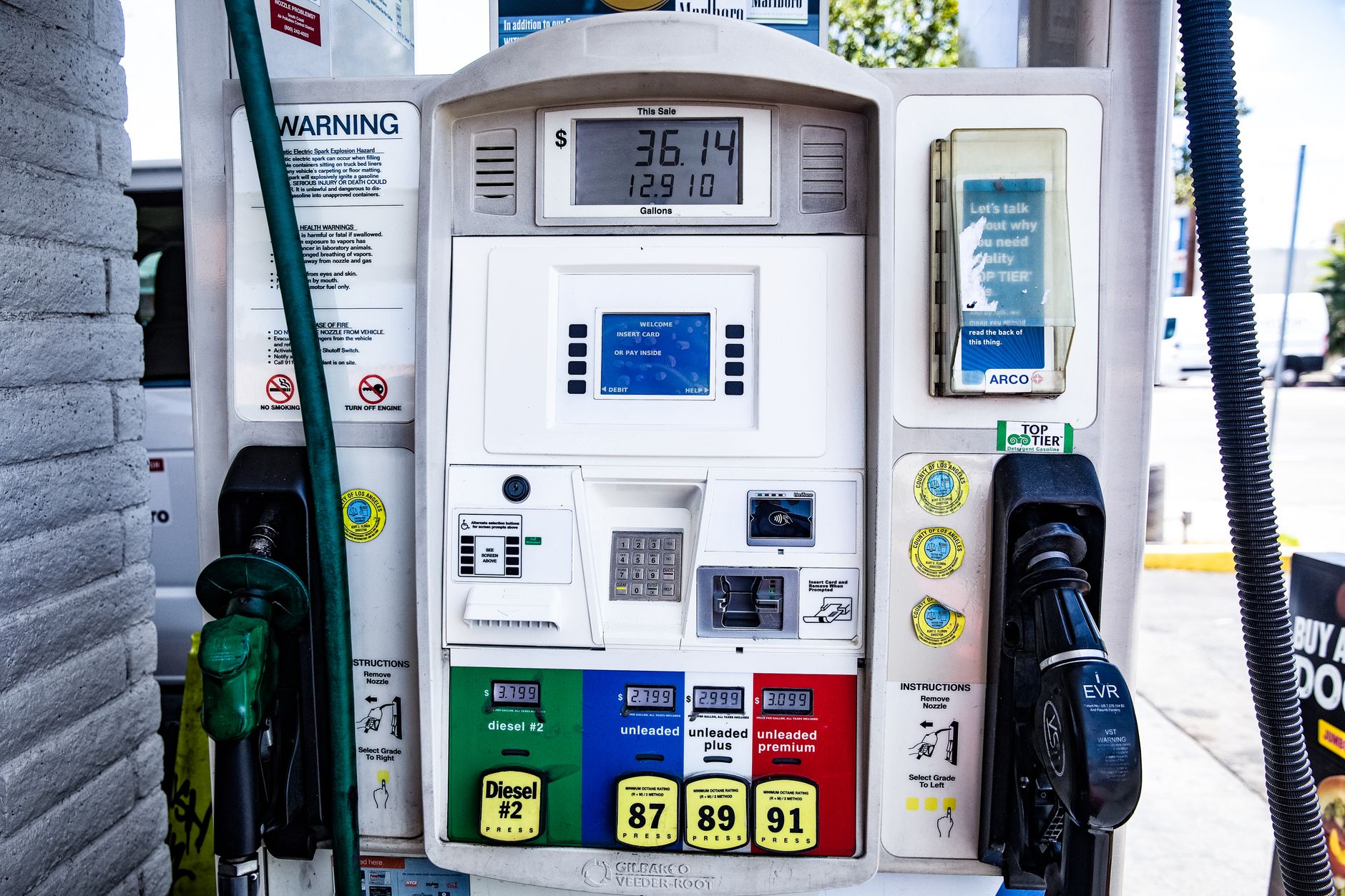
You swipe your debit card to put $30 of gas in the tank, the pump clicks off, and you drive away. Then you check your banking app and see something strange: $100 — or even $175 — is missing from your available balance, not the $30 you actually spent. Did you get overcharged? Almost certainly not. What you’re looking at is an authorization hold, one of the most misunderstood mechanics in everyday banking. Understanding how it works can save you from a bounced payment, an unexpected overdraft, and a fair amount of panic.
What an Authorization Hold Actually Is
When you use your debit card, two separate things happen, and they don’t happen at the same time. First comes authorization: the merchant asks your bank, in real time, to confirm the money exists and to set it aside. Second comes settlement: hours or days later, the actual transfer of funds clears. The authorization hold is the gap between those two events. During that window, your bank reduces your available balance — the money you can actually spend — even though your current balance, the official ledger figure, hasn’t dropped yet. This is exactly why your available and current balances can show two different numbers at the same time.
For most ordinary purchases, this gap is invisible because the hold matches the purchase amount and clears within a day. The trouble starts with merchants who don’t know your final bill at the moment you hand over your card — and the two most common offenders are gas stations and hotels.
Why the Gas Pump Holds So Much
When you pay at the pump, the station has no idea whether you’re going to buy $15 of gas or fill a truck for $120. So rather than guess, it places a flat authorization hold to protect itself, then adjusts to the real amount once you finish. Following a policy update from Visa and Mastercard, gas stations are now allowed to place a temporary hold of up to $175 at the pump, raised from the previous $125 ceiling.
Here’s the part that catches people off guard. On a credit card, a phantom $175 hold barely registers because you’re spending the bank’s money against a credit limit. On a debit card, that hold comes straight out of your real checking account, and the money can stay frozen for as long as it takes your bank to reconcile the final charge. According to consumer-protection guidance, that can mean as much as $175 of your balance sits unavailable for up to four days after a single gas stop. If you’re running a tight balance, that’s enough to make your rent check or your streaming subscription bounce — even though you only bought half a tank.
There’s a simple defense: pay inside at the register instead of at the pump whenever you can, or use the keypad’s PIN option rather than running the card as credit. Paying for an exact amount inside means the hold matches what you spent, and PIN-based debit transactions tend to release holds faster because they settle more directly.
Why Hotels and Rental Cars Are Even Worse
If the gas pump is a minor annoyance, the hotel front desk can be a genuine cash-flow problem. When you check in, the hotel doesn’t just authorize your room rate — it adds a cushion for “incidentals” like room service, the minibar, parking, or potential damage. So a three-night stay billed at $150 a night might trigger a hold well above the $450 room cost to cover all the things you might charge before checkout.
And these holds linger. Both hotel and rental-car incidental holds can legally remain on your account for up to 30 days from the original charge, depending on how quickly your bank and the merchant reconcile. That means you can check out, pay your final bill in full, and still have several hundred dollars of your own money frozen for weeks while the original hold ages off. Travelers who use a debit card for a weeklong trip have been blindsided when a string of hotel and rental holds quietly locked up far more than they expected to spend.
The smart move here is to use a credit card for hotels and rentals if you have one, precisely because the hold ties up the issuer’s credit rather than your actual cash. If you only have a debit card, ask the front desk what the total authorization amount will be, and make sure your balance can absorb both the hold and your normal monthly bills until it clears.
Who Controls the Hold — and Who Doesn’t
A point of frequent confusion: the merchant and the bank each control a different half of this process. The merchant decides how much to hold — the gas station’s $175, the hotel’s room-plus-incidentals figure. But your card-issuing bank decides how long the hold lasts, because it’s the bank that waits for the final settlement and then releases the difference. That’s why calling the gas station to “remove the hold” rarely works; they’ve already submitted the real charge, and now it’s your bank’s clock that’s running.
This split is also why hold times vary so widely from one person to the next. Industry guidance notes that most debit-card holds clear within one to eight business days, with the exact timing depending on your bank’s processing schedule and the merchant category. Two people who buy gas at the same station can see their holds release on completely different days simply because they bank with different institutions.
How to Protect Yourself
The biggest risk with authorization holds isn’t being charged twice — that almost never actually happens, and any genuine duplicate gets reversed. The real risk is overdrafting your account because money you thought was available was quietly fenced off. A few habits keep you out of trouble.
Keep a buffer in your checking account so a surprise $175 gas hold or a multi-hundred-dollar hotel hold can’t push you into the negative. Turn on low-balance alerts through your bank’s app so you get a heads-up before a hold tips you over. Lean on a credit card for the two categories where holds run largest and longest — fuel and travel — and reserve debit for predictable, exact-amount purchases. And remember your protections: under Regulation E, debit-card transactions carry federal error-resolution rights, so if a hold genuinely fails to clear in a reasonable time or you spot an actual duplicate charge, your bank is obligated to investigate.
Authorization holds aren’t a scam or a hidden fee — they’re a behind-the-scenes safeguard that keeps the payment system honest. But because debit cards pull from your real money instead of a credit line, those holds land differently on you than they would on a credit-card user. Once you understand that the number in your banking app is really two numbers wearing a trench coat, the gas pump stops being a mystery, and you can plan your balance accordingly.