
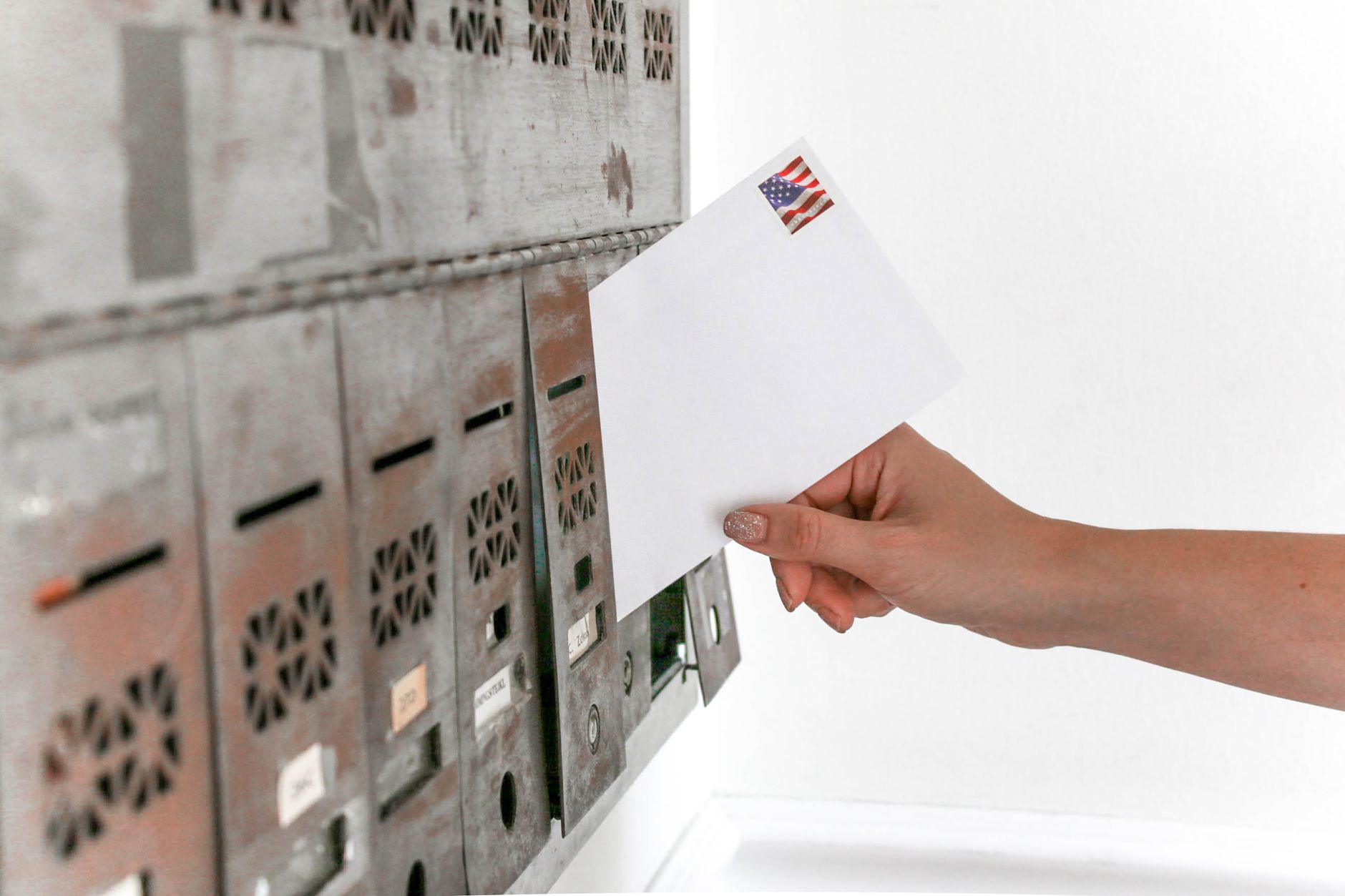
Checks feel like a relic. Most of us tap, swipe, or Zelle our way through the month and might write two or three checks a year — the rent, the plumber, a birthday card for a grandkid. Yet that fading payment method is now the single most attractive target for fraud in America. In the Association for Financial Professionals’ 2026 Payments Fraud and Control Survey, 58% of organizations that experienced payment fraud said checks were the method targeted — more than ACH transfers and wires combined. And the scheme driving much of it has a strangely old-fashioned name: check washing.
Understanding how check washing works is the best defense against it, because nearly every step of the scam depends on habits most of us picked up decades ago and never questioned.
What Check Washing Actually Is
Check washing starts with theft — usually mail theft. A thief gets hold of a check you’ve already written and signed, then uses household chemicals like acetone or bleach to dissolve the ink in the payee line and the amount box while leaving your signature intact. Once the check dries, they rewrite it: the $85 you sent to the water company becomes $8,500 payable to a name you’ve never heard of. Because the signature is genuinely yours, the check sails through processing.
The scale of the problem is documented in federal data. The Financial Crimes Enforcement Network (FinCEN), the Treasury bureau that collects suspicious activity reports from banks, analyzed mail theft-related check fraud and counted 15,417 reports from 841 financial institutions totaling more than $688 million in suspicious activity over just six months. Broader industry estimates put annual check fraud losses in the tens of billions — one widely cited figure pegged mail-related check fraud at roughly $21 billion in a single recent year, with the vast majority of incidents never reported at all.
FinCEN’s analysis also revealed what happens to a check after it’s stolen, and washing is only part of the story. About 44% of stolen checks were altered and deposited — classic check washing. Another 26% were used as templates to print counterfeit checks against the victim’s account, meaning the thief now has your routing number, account number, name, and address and can manufacture fresh checks indefinitely. Roughly 20% were blank or unsigned checks that thieves simply signed fraudulently and cashed.
Why Mailboxes Became Crime Scenes
The supply chain for this fraud runs through the postal system. Between fiscal years 2019 and 2023, reports of mail theft from mail receptacles rose 139%, according to data cited in FinCEN’s alert on the nationwide surge. Thieves target the blue USPS collection boxes — sometimes using stolen or counterfeit “arrow keys,” the universal keys that open them — as well as apartment cluster mailboxes and, most commonly of all, the residential mailbox with its little red flag raised.
That flag deserves special mention. Raising it tells your mail carrier there’s outgoing mail inside. It tells a thief the exact same thing. A raised flag on a curbside mailbox is essentially an advertisement that a signed check may be sitting unattended in an unlocked metal box.
Stolen checks don’t stay with the original thief, either. FinCEN and the FBI’s Internet Crime Complaint Center have documented organized networks that sell washed and stolen checks on encrypted messaging channels and dark web marketplaces, complete with photos of the merchandise. Your utility payment can be photographed, sold, washed, and deposited three states away within days.
Who Absorbs the Loss — and Why Speed Matters
Here’s some genuinely reassuring news: when a check is altered, the law is largely on your side. Under the Uniform Commercial Code, a bank may only pay a check according to its original terms. An altered or forged check is generally not “properly payable,” which means the bank that paid it typically bears the loss and must recredit your account — not you.
But that protection comes with a clock attached. The UCC expects you to review your statements and report unauthorized or altered items promptly. Wait too long — many account agreements shorten the reporting window to 30 or 60 days after your statement becomes available — and you can lose the right to reimbursement entirely. This is the strongest practical argument for checking your account activity weekly rather than tossing statements in a drawer. Banks also warn that recovering funds is dramatically easier in the first days after a fraudulent deposit, before the money is withdrawn and moved.
If you’re ever a victim, the sequence matters: contact your bank immediately to report the altered check and close or freeze the account, file a report with the U.S. Postal Inspection Service at uspis.gov if mail was involved, report the crime to local police, and file a complaint with the FBI’s IC3. Then monitor your credit reports, because a stolen check hands a fraudster your name, address, and bank account details in one convenient package.
How to Make Your Checks Nearly Impossible to Wash
Prevention is mostly about breaking old habits. Never leave outgoing mail in your mailbox with the flag up. If you must mail a check, drop it inside a post office or hand it directly to a carrier; if you use a blue collection box, do it before the day’s final pickup so the envelope doesn’t sit overnight, when most box break-ins happen.
Your choice of pen matters more than you’d think. Gel ink — the kind in a basic Uniball 207, which costs about two dollars — bonds with the paper fibers and resists the solvents used in washing far better than the ballpoint ink most of us grab by default. Postal inspectors have recommended gel pens for exactly this reason for years.
Better still, write fewer checks. Most billers, landlords, and even small contractors now accept electronic payment, and your bank’s online bill pay sends funds without exposing a signed check to the mail stream at all. For the checks you do write, fill the payee line and amount completely so there’s no blank space to exploit, and consider signing up for USPS Informed Delivery, a free service that emails you images of mail scheduled to arrive — so you know when something goes missing.
Businesses have an extra tool worth knowing about called positive pay, where the bank matches every check presented against a list the company issued and flags anything that doesn’t match. Some banks now offer lightweight versions of this for consumers through account alerts: an instant notification every time a check clears lets you spot an altered amount the moment it posts rather than weeks later.
The Bigger Lesson
Check washing thrives on a mismatch: a 1950s payment technology moving through 1950s infrastructure in a world with 2026-era criminal networks. You don’t need to fear your checkbook, but it deserves the same caution you’d give your debit card PIN. Write checks in gel ink, keep them out of unattended mailboxes, move recurring payments to electronic channels, and read your statements while the reporting window is still open. The fraud is surging, but nearly every victim’s story starts with a raised red flag on a quiet street — and that part, at least, is entirely within your control.