
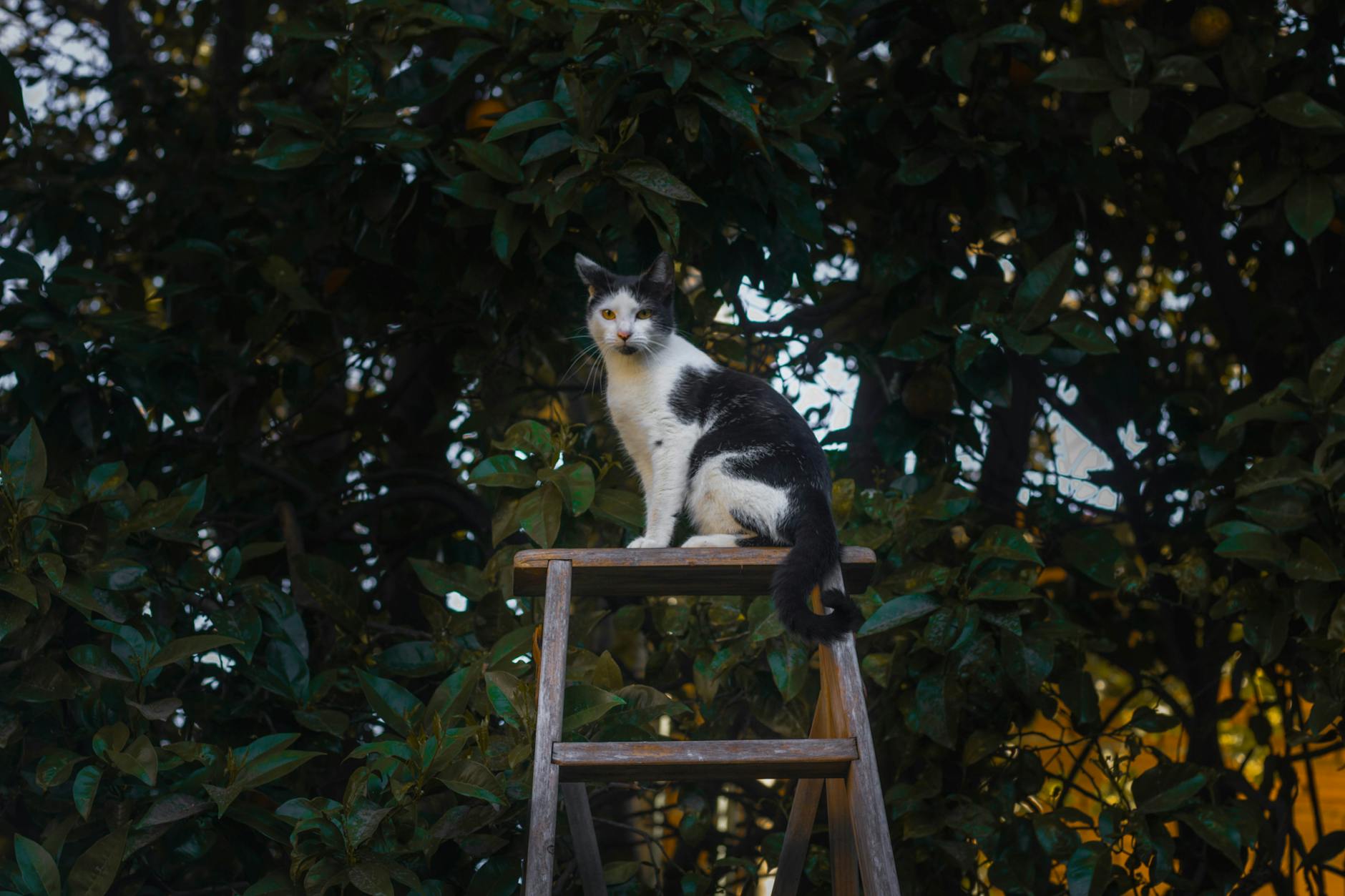
Your backyard is your pet’s playground. It’s where they run, dig, roll in the grass, and explore every corner with their nose. For most pets, the yard is a safe, happy place. But what many pet owners don’t realize is that some of the most common trees, shrubs, and ornamental plants in residential landscapes contain compounds that can make pets seriously ill.
This isn’t about being paranoid — it’s about being informed. Most pets will never bother with the plants in your yard. But dogs, especially puppies, are notorious for chewing on whatever catches their attention. And if a curious pet decides to sample the wrong leaf, bark, or berry, the consequences can range from an upset stomach to a life-threatening emergency.
Here’s what you should know about the most common toxic outdoor plants, how to recognize symptoms, and how to create a safer yard for your four-legged family members.
Common Toxic Trees
Yew Trees
Yew is a widely used evergreen found in yards, parks, and cemeteries across the country. It’s an attractive, dense tree often trimmed into hedges or topiaries. But nearly every part of the yew — needles, bark, wood, and seeds — contains taxine alkaloids that are acutely toxic to dogs, cats, and horses. The only non-toxic part is the fleshy red aril (berry covering), but the seed inside it is deadly.
What makes yew particularly dangerous is how quickly it can act. Animals can go from appearing normal to cardiac arrest within hours of ingestion. The Merck Veterinary Manual notes that sudden death is sometimes the first sign of yew poisoning, as the toxin directly affects the heart.
Black Walnut
Black walnut trees drop nuts that seem harmless enough, but they become genuinely dangerous when they sit on the ground and develop mold. The mold produces tremorgenic mycotoxins that cause violent tremors, seizures, and hyperthermia in dogs. Even the hulls (outer casings) of fresh black walnuts can cause gastrointestinal obstruction and irritation.
If you have a black walnut tree in your yard, regular cleanup of fallen nuts and debris during the fall season is one of the most important preventive measures you can take.
Cherry Trees
Both wild and ornamental cherry trees contain cyanogenic glycosides in their leaves, bark, and seeds. These compounds release hydrogen cyanide when the plant tissue is damaged — chewed, crushed, or wilted. Wilted cherry leaves are the most dangerous because the wilting process concentrates the toxin.
Dogs who chew on fallen branches, bark, or leaves may show symptoms including difficulty breathing, bright red mucous membranes, dilated pupils, and collapse. Prompt veterinary treatment is critical.
Chinaberry
Chinaberry trees are common in the southeastern United States and produce clusters of small yellow-gold berries that attract both wildlife and curious pets. The berries contain meliatoxins that cause drooling, vomiting, diarrhea, depression, and in severe cases, seizures and respiratory failure. Because the berries drop abundantly and persist on the ground, they’re easy for dogs to find and eat.
Common Toxic Shrubs
Oleander
Oleander is one of the most toxic ornamental plants in cultivation. Every part of the plant — flowers, leaves, stems, bark, roots, and even the sap — contains cardiac glycosides. Ingesting even a small amount can cause excessive drooling, vomiting, abdominal pain, abnormal heart rhythms, and potentially death. According to Cornell University’s veterinary resources, oleander toxicity has been documented in dogs, cats, horses, cattle, and even birds.
Oleander is incredibly common in warmer climates, used for highway medians, yard borders, and privacy screens. If you’re in a region where oleander grows, it’s worth knowing whether it’s on your property or adjacent ones.
Azaleas and Rhododendrons
These beautiful, widely planted shrubs contain grayanotoxins in all parts of the plant. Even a small number of leaves can cause symptoms within hours: vomiting, diarrhea, drooling, weakness, and abnormal heart rate. Most cases respond well to treatment, but severe ingestions can cause dangerous drops in blood pressure and cardiac complications.
Japanese Pieris (Lily of the Valley Bush)
Often used in foundation plantings and shaded garden beds, Japanese Pieris contains the same grayanotoxins found in azaleas. All parts are toxic and can cause similar symptoms.
Foxglove
Though technically an herbaceous perennial rather than a shrub, foxglove is common in garden beds and sometimes grows wild. The entire plant contains potent cardiac glycosides (digitalis) that can cause dangerous heart rhythm disturbances. Even small ingestions can be serious, and all parts retain toxicity when dried.
Recognizing Symptoms of Plant Poisoning
The symptoms of plant toxicity vary depending on the specific toxin, but there are common warning signs to watch for after your pet has been outdoors:
Sudden vomiting or diarrhea, especially if it comes on without an obvious dietary cause. Excessive drooling or pawing at the mouth. Lethargy, weakness, or unsteadiness. Tremors or seizures. Difficulty breathing or rapid, shallow breathing. Changes in heart rate — either very fast or very slow. Loss of appetite or refusal to drink water.
Some toxins act quickly (yew, oleander) while others may take hours or even days to show symptoms (sago palm, autumn crocus). If you see your pet chewing on an outdoor plant and aren’t sure whether it’s safe, don’t wait for symptoms to appear — contact your vet or the ASPCA Poison Control at (888) 426-4435 right away.
Building a Pet-Safe Yard
Creating a safer outdoor space doesn’t mean ripping out every tree and starting over. Here are practical steps that work for most situations.
Identify what you have. Walk your property and identify every tree and shrub. If you’re not sure what something is, take a photo and use a plant identification app or bring a sample to your local nursery. The ASPCA’s online database can help you determine whether each plant poses a risk.
Focus on access. A toxic tree at the far back of a fenced area your dog rarely visits is a lower risk than one next to your patio where your pet lounges daily. Prioritize addressing plants in high-traffic areas.
Choose safe replacements. When landscaping or replacing plants, opt for non-toxic species. Crape myrtles, magnolias, dogwoods, and maples are all safe shade trees. For shrubs, consider roses, camellias, or butterfly bushes — all attractive and pet-friendly.
Maintain your yard. Regular raking, especially in fall, removes fallen nuts, berries, leaves, and bark that are the most common sources of accidental ingestion. Keeping grass trimmed also reduces the chances of pets encountering toxic plant material hidden in overgrowth.
Educate everyone in the household. Make sure family members, dog walkers, and pet sitters know which plants in your yard to keep the pet away from. A little shared knowledge goes a long way.
When in Doubt
Not every nibble on a plant leads to an emergency, and most pets show good instincts about avoiding things that taste bad. But some toxins don’t have an unpleasant taste, and puppies and kittens are notoriously indiscriminate about what they put in their mouths.
If your pet has access to any outdoor space — your own yard, a neighbor’s, a park, or a hiking trail — knowing the basics of plant toxicity is one of the simplest and most effective ways to keep them safe. It takes an afternoon to learn and lasts a lifetime.