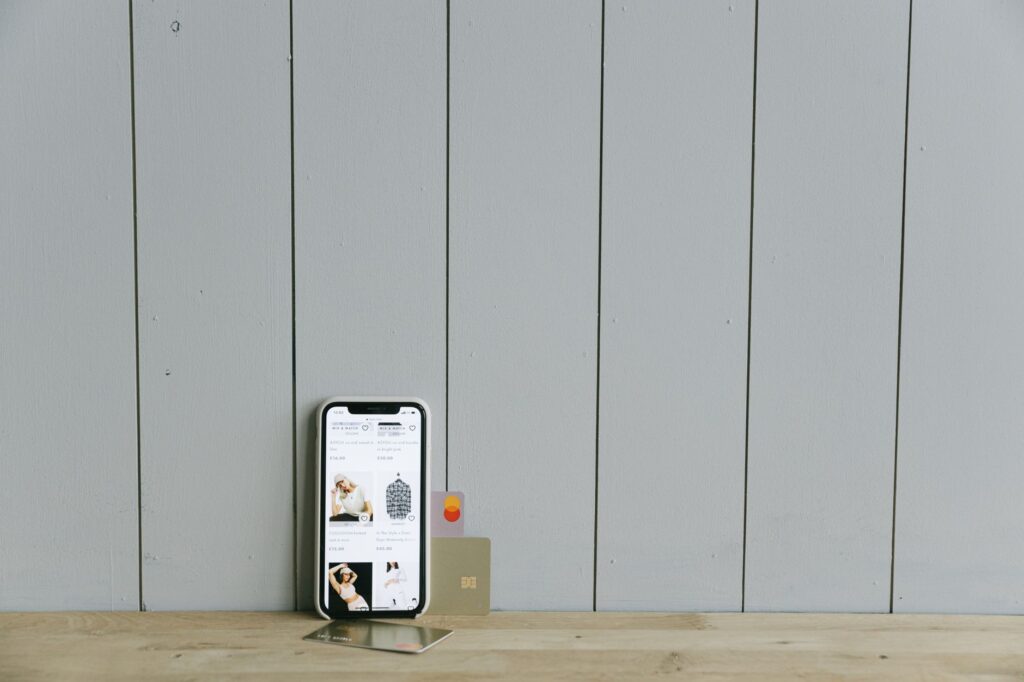
Open your banking app this week and you’ll probably see a row of little tiles: 10% back at a clothing store, $5 off a meal kit, 15% back at a hotel chain. Chase calls them Chase Offers. Other banks call them deals, rewards, or “cash back for you.” They show up on debit cards as well as credit cards, and they tend to multiply right before the holiday shopping rush.
These are card-linked offers, and the way they work is a little different from a coupon. Nobody scans anything. The discount is attached to your card number, and the cash shows up later as a credit. Understanding who pays for them, and what each party gets out of it, makes it easier to decide when they’re worth tapping.
The basic mechanics
A card-linked offer starts with a merchant that wants more sales. The merchant (or an ad network working for it) builds an offer, like 10% back on purchases over $50. The bank displays that offer inside its app or online banking. You tap “add” to attach it to a specific card. When you buy from that merchant with that card during the offer window, the bank’s systems spot the matching transaction and send you the reward, usually as a statement credit or a deposit into your account.
Cardlytics, one of the biggest companies running these programs for banks, describes them in its card-linked offers explainer as “digital offers from brands and retailers linked directly to a payment provider.” The key detail is that the merchant doesn’t pay until the qualifying sale happens. It’s advertising that’s billed only when it works.
Chase’s FAQ on its merchant offers fills in the practical rules. Offers work on eligible credit and debit cards, and each one attaches to a single card, so you have to pay with the same card you added it to. Statement credits generally show up within 30 days after the qualifying purchase posts. Minimum spending thresholds include sales tax. And once you add an offer, you can’t remove it, though there’s no penalty for never using it.
Who pays for the cash back
The money you get back comes from the merchant, not your bank. That’s the part most people get backwards.
Cardlytics’ third-quarter 2026 results show the flow pretty clearly. In the quarter that ended September 30, 2026, the company reported $57.2 million in billings, which is roughly what advertisers were charged. Of that, $24.3 million went out as consumer incentives (the actual cash back paid to shoppers), and revenue after those incentives came to $32.9 million. A separate line, partner share and other third-party costs, was $13.5 million. That’s largely the cut paid to the banks whose apps host the offers.
So a dollar spent by an advertiser gets split roughly three ways: a bit over 40 cents comes back to shoppers, about a quarter goes to banks and other partners, and the remainder stays with the platform. Your bank earns money by giving merchants a place to reach you, and it gets an engagement boost too, since people who chase offers open the app more often.
Why merchants love this format
From a merchant’s side, card-linked offers solve a problem that regular ads don’t. A banner ad tells you who saw it. A card-linked offer tells you who bought.
Because the reward is triggered by an actual card transaction, the merchant can measure exactly how many purchases the campaign produced and what each one cost. Cardlytics says it sees “1 in 2 purchases in the U.S.” through its bank partnerships, which is a large part of its pitch to advertisers. Offers are also targeted using the bank’s view of your spending, which is why two people with the same bank can see completely different tiles. A merchant that wants new customers has little reason to pay someone who already shops there every week.
What happens to your data
This is the question people ask most, and the answer is more limited than many assume. Chase says it doesn’t give your personal information to merchants to create offers. Targeting happens inside the bank’s systems, based on your transaction history, and merchants describe the audience they want rather than receiving a list of names. When you redeem an offer, Chase says the merchant receives the purchase amount and date.
That’s still data sharing, just a narrow kind. Your spending history is what makes you a target in the first place, and the redemption tells the merchant the campaign worked. If that bothers you, the simple fix is not adding offers. Nothing gets reported for an offer you never activate.
The catch: offers are built to change your behavior
None of this is a scam. The cash back is real, and if you were going to buy something anyway, an offer is free money. But it helps to remember that merchants pay for these programs because they shift spending, and some of that shift is toward things you didn’t plan to buy.
Look at how the typical offer is structured. A minimum spend (“spend $75, get $15 back”) nudges you to add another item. A short expiration window pushes you to buy now. A one-time-use limit means the deal disappears after the first purchase, which turns it into a trial offer to get you through the door. Black Friday timing stacks on top of all of it.
The best way to use them is the reverse of how they’re designed. Make your list first, then check the app for offers on things already on the list. Add offers freely, since adding costs nothing, but don’t let an offer decide where you shop. And remember that the credit lands later, sometimes weeks later, so it doesn’t help your checking balance on the day you buy.
A shrinking, shifting business
Card-linked offers aren’t growing in a straight line. Cardlytics reported 186.6 million monthly qualified users in the third quarter of 2026, down 19% from 230.3 million a year earlier, and its billings fell 32% over the same period. Bank partnerships come and go, and the number of people who see these offers depends heavily on which banks are signed up.
For you, that mostly means the offers in your app can change with little notice. A bank can switch platforms, add offers, or drop them. If you rely on them, check the terms each time instead of assuming last year’s deal will be back.
The bottom line on bank app deals
Card-linked offers are ads that pay you, funded by merchants who want proof their marketing works. Your bank takes a cut for giving them access to your attention, and you get a share of the advertising budget as cash back. Used deliberately, they’re a small, real perk of having a checking or credit card account. Used on impulse, they’re a well-engineered way to get you to spend $75 to save $15.