
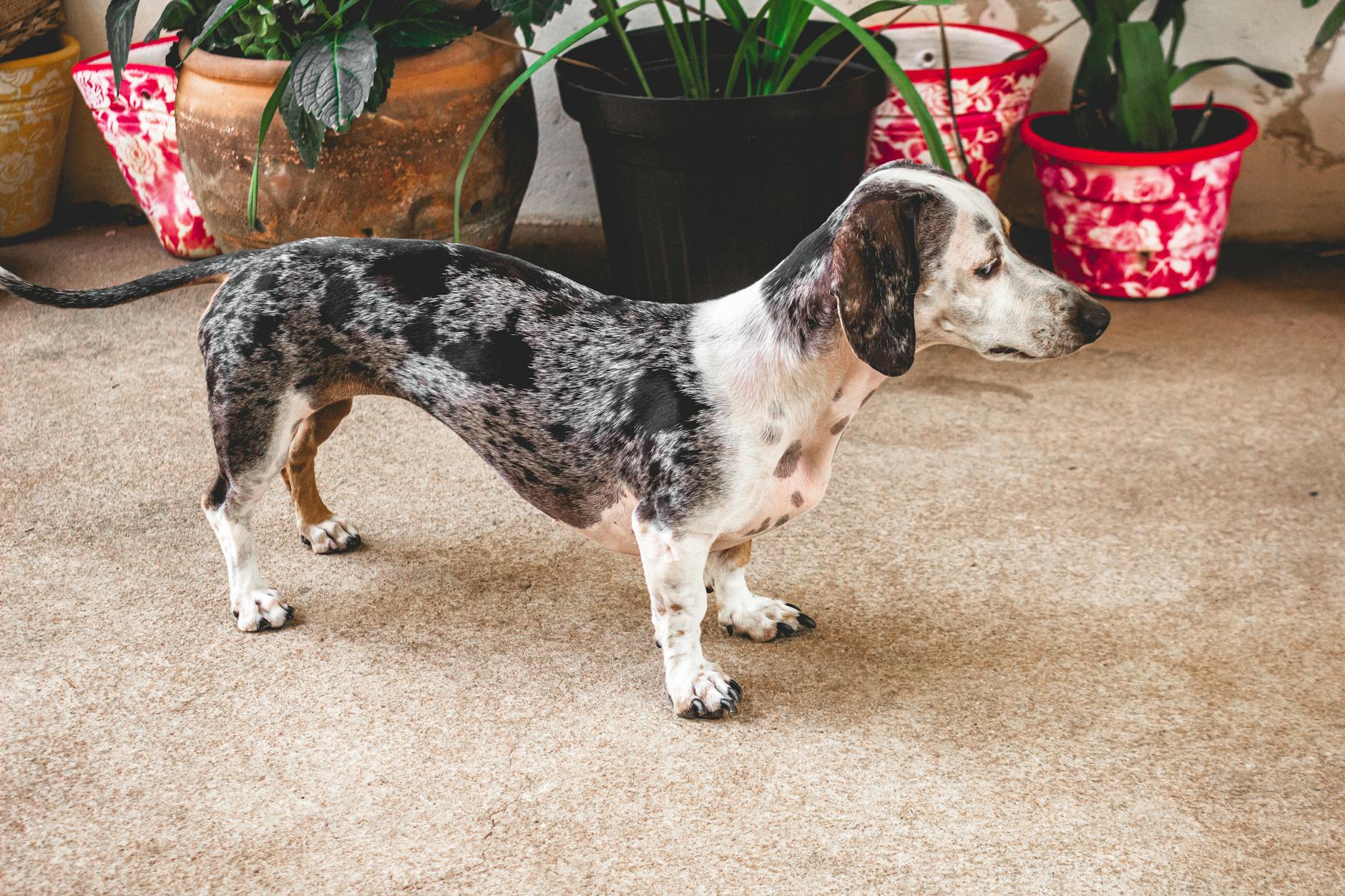
If you’re a plant lover and a pet owner, you’ve probably experienced the anxiety of watching your cat bat at a leaf or your dog take an exploratory sniff of your newest houseplant. Is it safe? Should you move it? Should you get rid of it entirely?
The houseplant craze shows no signs of slowing down, and for good reason — indoor plants improve air quality, reduce stress, and make any space feel more alive. But not all plants are created equal when it comes to pet safety. Some of the most popular indoor plants are genuinely toxic to dogs and cats, while plenty of equally beautiful alternatives are completely harmless.
This guide will help you create an indoor garden that looks amazing and keeps your pets safe.
Plants to Keep Away From Pets
Let’s start with the ones that need to be on your radar.
Lilies deserve the top spot because of how dangerous they are to cats specifically. All true lilies — Easter, tiger, Asiatic, stargazer, and daylily — can cause acute kidney failure in cats. The toxin is present in every part of the plant, including the pollen. A cat who brushes against a lily and later grooms the pollen off their fur has been exposed. If you have cats, the ASPCA strongly recommends keeping all true lilies out of your home entirely.
Sago palms are one of the most toxic plants for dogs. The cycasin they contain causes severe liver damage, and the seeds are the most concentrated source. Even with aggressive treatment, roughly half of dogs who ingest significant amounts don’t survive. These are common in home decor and available at most garden centers, so it’s easy to bring one home without realizing the risk.
Pothos, philodendrons, and dieffenbachia are among the most popular houseplants sold. They’re hardy, attractive, and thrive in a range of light conditions. They also all contain calcium oxalate crystals that cause painful swelling, drooling, and difficulty swallowing when chewed. The effects are rarely life-threatening but are acutely painful and distressing.
Oleander is sometimes kept as a potted plant indoors in cooler climates. It’s attractive but highly toxic — all parts contain cardiac glycosides that affect the heart. Even small amounts can cause serious symptoms in pets, including abnormal heart rhythms.
Autumn crocus (not to be confused with the common spring crocus, which causes mild stomach upset) contains colchicine, a toxin that can cause severe vomiting, organ damage, and bone marrow suppression. Symptoms may not appear for several days, making it particularly dangerous because treatment is often delayed.
Aloe vera, despite its usefulness for humans, contains compounds that cause vomiting and diarrhea in pets. While serious complications are uncommon, it’s worth knowing that the plant you reach for when you burn your finger isn’t as benign for your cat or dog.
Pet-Safe Plants Worth Growing
The best news for plant-loving pet owners is that the safe options are just as varied and attractive as the toxic ones. Here are some favorites that you can display without worry.
Spider plants are nearly impossible to kill, produce charming baby plantlets, and are completely non-toxic to cats and dogs. Cats sometimes like to chew on the dangling leaves, which can cause mild stomach upset but nothing dangerous.
Boston ferns bring lush, cascading greenery to any room and are safe for all pets. They prefer indirect light and consistent moisture, making them ideal for bathrooms or kitchens.
Calathea and Maranta (prayer plants) are some of the most striking houseplants available, with intricate patterns on their leaves that move throughout the day. They’re entirely pet-safe and thrive in medium indirect light.
African violets add vibrant color to tabletops and windowsills without any risk to your pets. They’re compact, easy to care for, and bloom reliably with proper light.
Peperomia comes in dozens of varieties — from the rippled peperomia caperata to the succulent-like peperomia obtusifolia. All are non-toxic and make excellent low-maintenance additions to any collection.
Haworthia is a succulent that looks similar to aloe but is completely safe for pets. The small rosettes of thick, striped leaves are architectural and require very little care.
Parlor palms offer a tropical look without the danger of sago palms. They’re safe for both cats and dogs and can grow quite large, making them a great statement plant for living rooms.
Ponytail palms (which aren’t actually palms at all) have a distinctive bulbous trunk and cascading leaves. They’re fun, unique-looking, and pet-friendly.
Creating a Pet-Safe Plant Strategy
If you have both toxic plants you love and curious pets, a few strategies can help you coexist safely.
Know your pet’s behavior. Some pets have zero interest in plants and will never bother them. Others — particularly kittens and puppies — will chew on anything they can reach. Your approach should be calibrated to your specific pet.
Use hanging planters and high shelves for toxic plants, keeping them well out of reach. Macrame hangers and wall-mounted planters let you display plants vertically. Just remember that cats are excellent climbers and jumpers, so “out of reach” for a cat is higher than you might think.
Designate plant-free zones for your pet and pet-free zones for your plants. If you have a room that your pets don’t access — a home office with a closed door, for example — that’s an ideal spot for toxic varieties.
Provide safe greens for your pets to chew. Cat grass (wheatgrass), catnip, and valerian are all safe and give pets their own plant to interact with. This can reduce their interest in your decorative plants.
Label your plants. It sounds simple, but keeping a note on each pot with the plant name helps you (or anyone watching your pets) quickly identify whether a plant is toxic in an emergency.
Resources for Plant Safety
The ASPCA maintains a searchable database of over 1,000 plants categorized as toxic or non-toxic to dogs, cats, and horses. Before buying any new plant, a quick search takes seconds and can prevent a serious problem.
Local nurseries and garden centers are increasingly labeling plants with pet-safety information. Ask the staff if you’re unsure — they’re usually happy to help you find pet-friendly options.
Online plant retailers like The Sill and Bloomscape have begun featuring “pet-safe” collections, making it easy to shop with confidence.
The Right Balance
Being a plant lover and a responsible pet owner aren’t mutually exclusive. With a little knowledge and some strategic choices, you can fill your home with greenery that makes you happy without putting your pets at risk. Start with the safe list, research anything new before you buy it, and enjoy the best of both worlds.