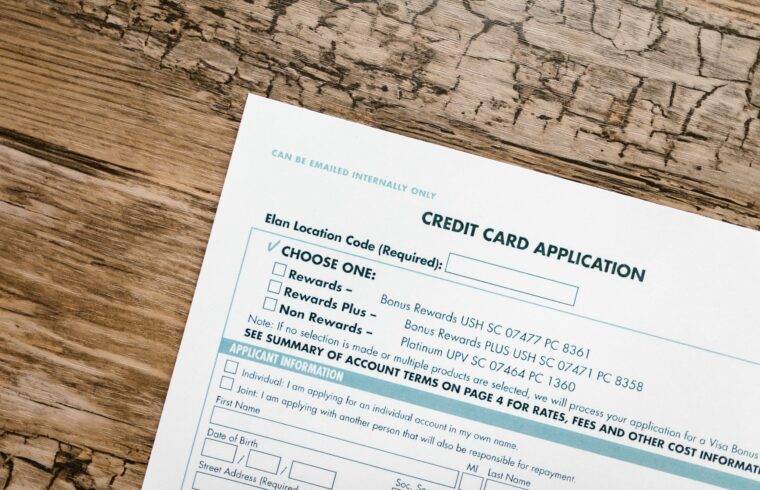

When American Express raised the Platinum Card’s annual fee from $695 to $895 last year, the obvious prediction was a wave of cancellations. It never came. With its third-quarter results on October 23, Amex said nearly all of the customers moved onto the pricier card had kept it, the Associated Press reported, and net card fees rose by more than $400 million from a year earlier. Some of those cardholders ran the numbers and decided the perks were worth it. Others, I suspect, never made a decision at all. That second group is who a credit card annual fee is really designed around, and once you see the machinery, you can find the one stretch of each year when the decision is fully yours.
A credit card annual fee is a subscription that renews by default
Most credit card revenue depends on what you do. Interest only shows up if you carry a balance. Interchange, the slice of each purchase the merchant pays the card network and issuer, only shows up when you swipe. An annual fee arrives on schedule whether you used the card twice or two thousand times. For the issuer, it’s the most predictable dollar on the account.
Charges like this have become a bigger part of the business. The Consumer Financial Protection Bureau’s most recent credit card market report found consumers paid $31.3 billion in credit card fees in 2024, up 23% from 2022. That total includes late fees and everything else, so it overstates the annual fee piece, but the direction is hard to miss.
What makes the fee durable is the default. A card you’d never sign up for today at $895 can stay in your wallet for years, because the fee renews on its own and leaving takes effort. The perks justify the price on the day you apply. Inertia carries it every year after that.
Federal law guarantees a warning before the fee posts, not a refund
This is the piece most articles about annual fees skip. Under Regulation Z, the rule that implements the Truth in Lending Act, a card issuer that charges a renewal fee has to send you written notice at least 30 days or one billing cycle (whichever is less) before the statement that first bills the fee. That notice has to restate the card’s key terms as they’d apply if you renew, and it has to tell you how and when you can close the account to avoid the fee. The rule lives at 12 CFR 1026.9(e).
So the law promises you a heads-up and an exit route. It doesn’t promise money back after the fee hits. And the notice is allowed to arrive on or with your regular monthly statement, which is right where most of us stop reading after the balance and the due date.
How little that notice has to say came up in a 2023 Third Circuit case, Weichsel v. JPMorgan Chase. A cardholder argued that Chase’s renewal notice for a $525 fee should have broken out the $450 primary card fee and the $75 charge for an authorized user. The court disagreed: the rules require disclosing the terms of renewal, not itemizing the fee. Chase’s billing statement, the opinion notes, described the fee as nonrefundable unless the cardholder gave notice “within 30 days or one billing cycle (whichever is less).”
Annual fee refund rules are issuer policy, and one day can cost the whole fee
The annual fee refund window people talk about is mostly the issuer’s own policy, layered on top of that federal floor. The policies differ more than you’d guess. Doctor of Credit, which tracks these rules from cardholder reports, lists American Express as giving a full refund if you cancel within 30 days after the statement showing the fee, with nothing prorated after that. Barclays reportedly allows 60 days. Citi refunds in full within 30 days and then prorates by month.
Put dollar amounts on those policies and the stakes get clearer. Say the $895 Platinum fee posts on your November statement. Close the card on day 29 and all $895 comes back. Close it on day 31 and, under Amex’s policy, you’ve paid $895 for a year you won’t use. Now take Citi’s approach with a $450 fee posted in January. Cancel in March and Citi prorates the refund for the nine months left: $450 divided by 12 is $37.50 a month, times nine is $337.50 back, so the three months you kept the card cost $112.50. The same decision, made a few weeks late, can cost you anywhere from a small slice of the fee to the entire thing, depending on whose logo is on the card.
A better mental model, then, is a yearly vote with a short polling window. The renewal notice opens it. The issuer’s refund policy decides when it closes.
Retention offers exist because losing you costs more than discounting you
If you call to cancel, many issuers will try to keep you with a statement credit or a stack of bonus points, known as a retention offer. The logic is simple arithmetic on the issuer’s side. Winning a new cardholder takes marketing spend, a sign-up bonus, and fresh underwriting. Keeping an existing one takes a phone call and a discount. Amex’s own earnings release lists “Card Member retention” among the strengths behind its quarter, which tells you how much the company cares about the people who stay.
The other common exit is a downgrade, or product change, to a no-fee card from the same issuer. That keeps the account open, which protects your credit history and your available credit, the two things closing a card can dent (we cover how closing a card affects your score separately). For Amex cards, Doctor of Credit reports that a product change still earns a prorated refund of the fee even outside the 30-day window, which makes a downgrade a cheaper move than a late cancellation.
You can’t count on either one. Retention offers depend on your account history and spending, and some issuers rarely make them. What their existence does reveal is that the sticker price on the marketing page is softer than it looks, at least for cardholders who ask.
What this means the next time a renewal notice shows up
The practical lesson is about timing. Your renewal notice is the one moment each year the law makes the issuer remind you that you have a choice, and the refund window after the fee posts is the only time walking away costs you nothing. Find the month your fee posts (usually your account anniversary) and check the statement before it for the renewal language. If you’re fuzzy on where statements fall in your billing cycle, our explainer on statement closing dates vs. due dates walks through the calendar.
Then do one honest calculation: the credits and perks you used in the past 12 months, in real dollars, against the fee. An $895 fee works out to about $74.58 a month. If you got less than that in value you’d have paid for anyway, the fee is buying the issuer your inertia. A credit card annual fee can be a fine deal. You should just be agreeing to it on purpose, inside the window, instead of by not opening your mail.