
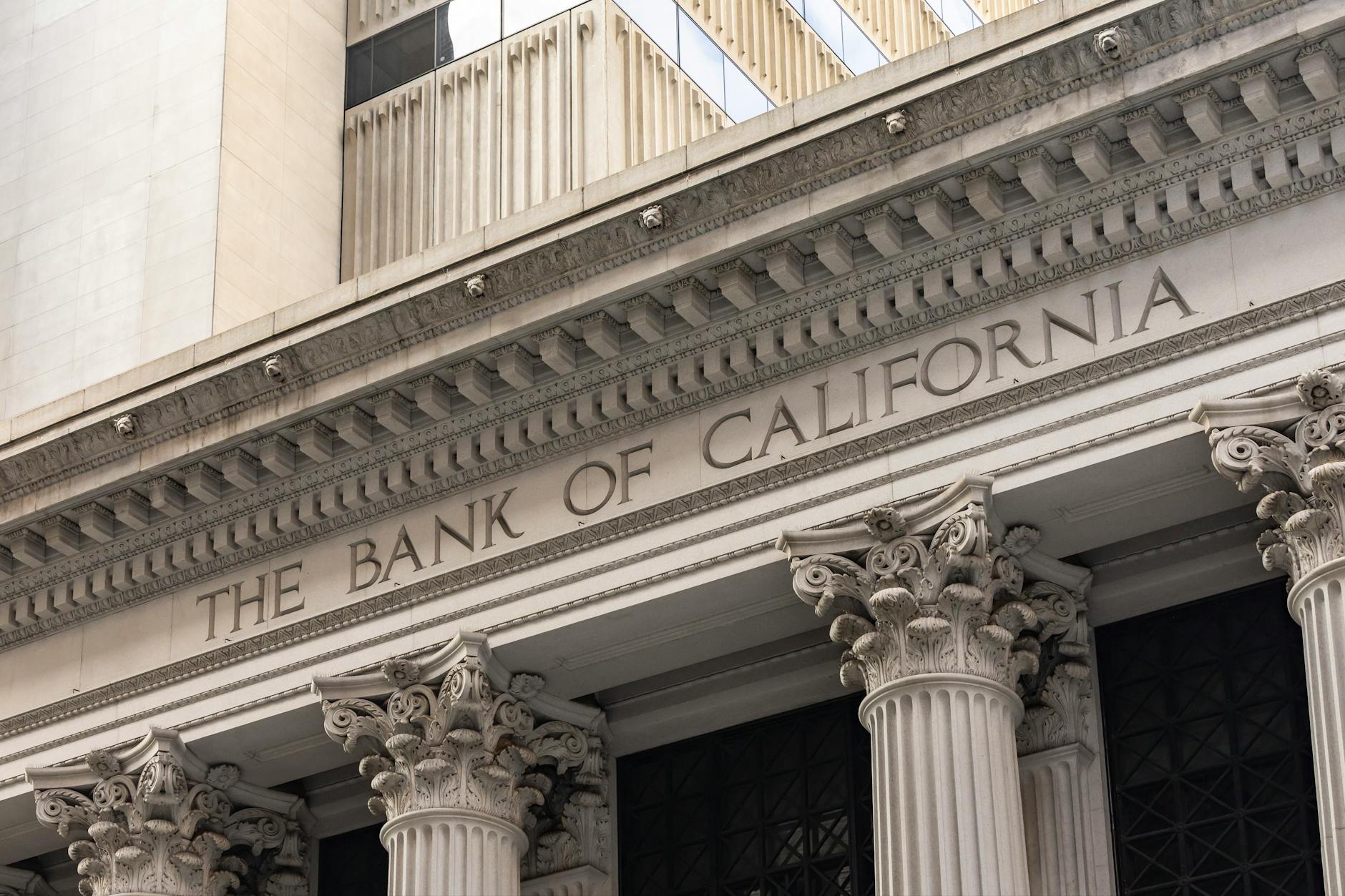
Most people have a vague mental model of how a bank earns its keep. You drop money in checking, the bank does something with it, fees happen, and somewhere along the way it pays for marble lobbies and tower-shaped logos on football stadiums. That sketch is not exactly wrong, but it misses the engine. The single biggest source of bank revenue in the United States is not fees, not investment banking, not credit card swipes. It’s a quiet, decades-old mechanism called net interest margin, and once you understand it, a lot of the things your bank does, from the rate it pays on savings to the way it pushes you toward a particular checking account, start making sense.
This is the explainer your high school personal finance class probably skipped.
The Spread: Borrowing Low, Lending High
A bank, at its core, is a borrower and a lender at the same time. When you deposit money into a checking or savings account, you are lending the bank that money. The bank promises to give it back on demand, and in exchange it pays you interest, sometimes a meaningful amount, sometimes effectively nothing. Then the bank turns around and lends that same pool of money out to other customers in the form of mortgages, auto loans, credit card balances, small business loans, and commercial real estate financing. It charges those borrowers a higher rate than it pays you.
The gap between what the bank earns on its loans and what it pays on its deposits, expressed as a percentage of all its interest-earning assets, is called the net interest margin, usually shortened to NIM. According to industry data summarized by American Banker, the average U.S. banking industry NIM in the fourth quarter of 2025 was about 3.39 percent, the highest reading since 2019. That sounds small until you remember that banks are working with trillions of dollars in deposits. A few percentage points across a balance sheet that size becomes the dominant line item on the income statement.
A simple worked example makes it concrete. Imagine a bank pays you 1.5 percent on your savings account and lends your money out in mortgages at 5 percent. That 3.5-point gap, applied across every dollar the bank takes in and lends out, is the spread that keeps the lights on. Subtract the cost of running branches, paying employees, complying with regulators, and absorbing the loans that go bad, and what’s left is profit. Everything else, fees, investment products, treasury services, is a supporting act.
Why Your Savings Account Rate Is Almost Always Lower Than You’d Expect
This framing also explains one of the most common frustrations consumers have with their bank: why am I earning 0.01 percent on my savings when the Federal Reserve target rate is more than 4 percent? The answer is that the bank’s profitability depends on keeping the spread wide. If the Fed raises short-term rates, the bank’s lending revenue goes up immediately because variable-rate loans and new originations reprice quickly. But the bank has no obligation to raise the rate it pays you. It can let that side of the spread lag for months or years and pocket the difference.
This is exactly what happened during the rate-hike cycle of 2022 through 2024. Big banks raised deposit rates only modestly while loan yields climbed sharply, and the industry’s NIM widened. Online-only banks and credit unions, which compete more on rate because they have fewer captive customers, passed more of that increase along to depositors. That is the structural reason a high-yield online savings account in May 2026 might be paying you around 4 percent APY while the average savings account at a traditional bank pays about 0.38 percent, according to Bankrate’s monthly survey. Same Federal Reserve, same dollar in the same economy, two completely different deals.
The Consumer Financial Protection Bureau has written extensively about this dynamic and recommends that consumers shop their deposit rate the same way they shop a mortgage rate. The bank you’ve been with for fifteen years is almost certainly not offering you the best deal it could.
The Other Engines: Fee Income And Non-Interest Revenue
Net interest margin is the main story, but it’s not the only story. Banks also generate non-interest income, which includes overdraft fees, monthly maintenance fees, ATM surcharges, wire transfer fees, debit card interchange revenue, foreign exchange margins, wealth management fees, and investment banking commissions at the largest institutions. This bucket is smaller in aggregate but matters a lot, especially for consumer banking.
Overdraft fees alone are still a meaningful revenue line. JPMorgan, the largest bank in the United States by assets, collected $815 million in overdraft-related revenue in the first nine months of 2025, up nearly 8 percent year over year, according to coverage in American Banker. The average overdraft fee across the industry was $26.77 in 2025, and Bankrate’s checking account survey found that 94 percent of accounts still charge one. Interchange fees, the small percentage banks collect every time you swipe a debit or credit card, add billions more in aggregate.
Then there’s float, the brief windows between when a transaction is initiated and when it settles. Banks can earn interest on that money while it’s in motion. None of these revenue streams are as large as the interest spread, but they round out the picture and explain why banks care so much about which accounts you have and how you use them.
Why The Bank Wants You In A Specific Type Of Account
Understanding the spread also explains a behavior you may have noticed: every banker who has ever sat across a desk from you has tried to talk you into bundling more products. A bigger checking balance is a cheaper funding source. A mortgage is a long-duration, high-margin loan. A credit card produces both interest income and interchange fees. A linked savings account makes you less likely to switch to a competitor. The “relationship pricing” pitch is rational from the bank’s perspective because every additional product you hold inside the building widens or stabilizes its spread.
This isn’t sinister, it’s just business. But it explains why “free” checking accounts are usually paired with promotional credit card offers, why the bank suddenly cares about your retirement balance the moment it crosses six figures, and why moving banks always feels like a hassle. The bank doesn’t want to give up the spread it earns on your dollars.
What This Means For You As A Customer
The practical takeaway from all of this is straightforward. If a bank’s primary product is the spread between what it pays depositors and what it charges borrowers, then your job as a consumer is to refuse to be on the cheap side of that trade. That means parking your emergency cash in an FDIC-insured high-yield savings account that actually pays close to the Fed funds rate. It means not carrying revolving credit card debt at 22 percent if you can possibly avoid it. It means treating fee-heavy checking accounts as a tax you can opt out of by switching institutions.
It also means giving your bank credit when it earns it. A community bank or credit union that pays you a fair deposit rate, doesn’t pile on overdraft charges, and underwrites loans responsibly is, in a sense, sharing the spread with you. Those institutions exist. They just don’t advertise during the Super Bowl.
Banking is one of the few industries where the basic business model has barely changed in two hundred years. Deposits in, loans out, profit on the gap. Once you can see the spread, you can see your bank, and you can start to make sure you’re sitting on the right side of it.
[…] yield is the residual after the broker takes its share of the spread. It is the same economics as a bank’s net interest margin, just with an extra party in the […]