
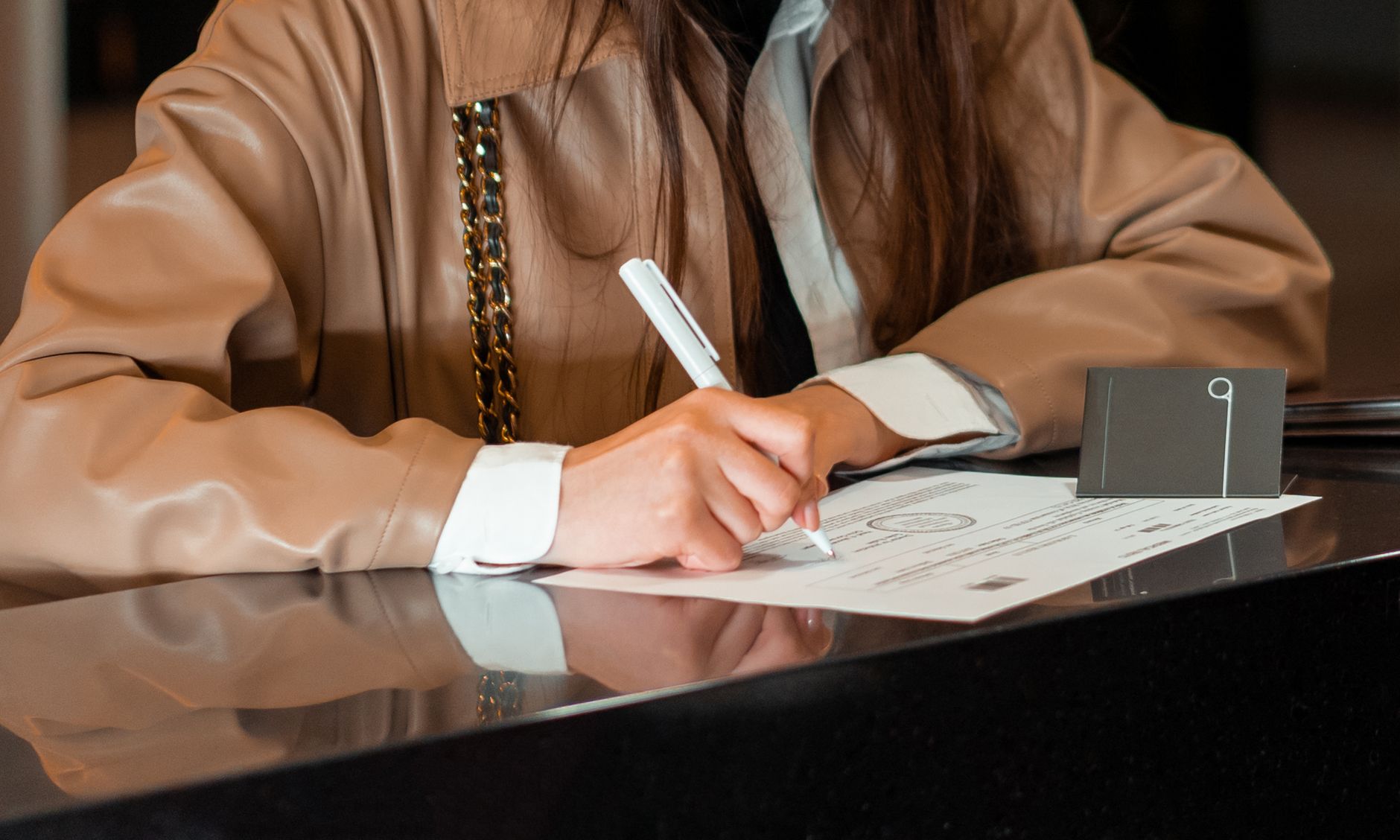
Signing the back of a check feels like a formality. You flip it over, scrawl your name, and hand it to the teller or snap a photo for the app. But what you write on that little strip changes what the check legally is. One version turns it into something close to cash that anyone holding it can deposit. Another version locks it to your account. A third hands it off to someone else entirely.
Most people use fewer paper checks than they used to, so it’s easy to forget how this works. When a birthday check, a contractor refund, or an insurance payment shows up, it pays to know which endorsement to use and why.
What an Endorsement Actually Does
An endorsement is your signature (plus any instructions) on the back of a check made out to you. It tells the bank you’re the payee and that you’re authorizing the check to be paid. Without it, most banks won’t deposit or cash the check.
The rules behind endorsements come from Article 3 of the Uniform Commercial Code, which nearly every state has adopted to govern checks and other negotiable instruments. Under those rules, the words you add above or below your signature decide who can do what with the check next. That’s why the type of endorsement matters more than the neatness of your signature.
Where Your Signature Goes
Flip a check over and you’ll see a small area at one end marked “Endorse Here,” with a line or two for your signature. Below it is a warning: “Do not write, stamp, or sign below this line.”
That layout isn’t decoration. Federal Regulation CC sets endorsement standards that reserve the area from the trailing edge of the check (the left side when you look at the front) to 1.5 inches in for the payee’s endorsement, according to BankersOnline’s explanation of the endorsement area. The rest of the back is reserved for the banks that handle the check, starting with the bank where you deposit it, which stamps its own endorsement and routing information. Write outside your zone and you can obscure those bank stamps, which can slow down processing or get the check kicked back.
Blank Endorsement: Just Your Signature
A blank endorsement is your name and nothing else. It’s the most common way people sign checks, and it’s also the riskiest.
Once you sign a check this way, it becomes payable to the bearer. In plain terms, whoever is holding it can try to deposit or cash it. If you sign a check at home, put it in your bag, and lose it on the way to the bank, the person who finds it has something that works a lot like cash.
A blank endorsement is fine when you’re standing at the teller window or the ATM and depositing on the spot. It’s a bad idea any other time.
Restrictive Endorsement: “For Deposit Only”
A restrictive endorsement adds instructions that limit what can be done with the check. The classic version is “For Deposit Only” written above your signature, often followed by your account number. That tells any bank the money can only go into an account, not be handed over as cash.
This is the endorsement to use if you’re mailing a check to your bank, dropping it in a night deposit box, or signing it in advance for any reason. If a bank ignores the restriction and cashes it for someone else, that bank can be on the hook for the loss.
One nuance worth knowing: under UCC Section 3-206, a restrictive endorsement doesn’t physically stop a check from being passed along. Its protection is legal. It puts banks on notice and shifts liability to a bank that disregards it. That’s still a big improvement over a blank signature, and it’s why many people use “For Deposit Only” every single time.
Mobile Deposit Endorsement
If you deposit checks with your phone, your bank almost certainly wants specific wording. The usual phrase is “For Mobile Deposit Only,” and many banks ask for “For Mobile Deposit Only at [Bank Name],” written along with your signature. As GOBankingRates notes, many banking apps will reject a check image if that wording is missing, which is a common reason mobile deposits fail without much explanation.
The reason is the double-deposit problem. When you deposit a check with your phone, you still have the paper check in your hand. Without a restriction, someone (you, a roommate, a thief) could take that same paper check to a different bank or a check-cashing store and get paid a second time. The official commentary to Regulation CC specifically mentions “for mobile deposit at [Bank Name] only” as the kind of restrictive endorsement a second bank should not accept. Writing it puts every other bank on notice that this check has already been used.
After a mobile deposit, hang on to the paper check for a couple of weeks until the funds clear, then shred it. Check your bank’s app or terms for its exact recommended holding period.
Special Endorsement: Signing a Check Over to Someone Else
A special endorsement transfers the check to another person. You write “Pay to the order of [their name]” and sign below it. That person can then deposit the check as if it had been written to them.
This is sometimes used to pass a check to a family member or pay someone you owe. The catch is that many banks are wary of third-party checks because of fraud risk. Some won’t accept them, and others want both people present with ID. Call the receiving bank before you count on this working.
Qualified Endorsement: “Without Recourse”
A qualified endorsement adds the words “without recourse” to your signature. Normally, when you endorse a check and pass it on, you take on some responsibility if it later bounces: the person you gave it to can come back to you. “Without recourse” removes that. You’ll mostly see it used by attorneys, trustees, and others handling checks in an official role, not in everyday personal banking.
Checks With Two Names
When a check is made out to two people, the small word between the names matters. “Jordan Lee and Sam Ortiz” generally means both must endorse. “Jordan Lee or Sam Ortiz” generally means either one can. If there’s just a comma or slash, bank policies differ, so having both people sign is the safe move. Insurance claim checks often name both you and your mortgage lender with “and,” which is why those take longer to deposit.
Why This Matters More Than It Used To
Check use has dropped, but check fraud hasn’t. In February 2023, the Financial Crimes Enforcement Network issued an alert on mail theft-related check fraud after banks filed more than 680,000 suspicious activity reports tied to check fraud in 2022, nearly double the year before. The U.S. Postal Service also received nearly 300,000 complaints of stolen mail, up 161% from before the pandemic. Fraudsters steal checks from mailboxes, then alter the payee or amount, or simply deposit checks that were signed carelessly.
Your endorsement can’t stop someone from stealing a check out of a mailbox. It can make a stolen check far less useful. A blank-signed check in the wrong hands is an easy target. One restricted to deposit into your account at your bank is a much harder one.
A Simple Routine for Every Check
Before you sign, look at the front. Your name should match the payee line, the amounts in words and numbers should agree, and the date shouldn’t be more than about six months old, since banks can refuse stale checks.
Then wait to sign until you’re about to deposit. At a teller window, your signature plus “For Deposit Only” is a safe default. In your banking app, use “For Mobile Deposit Only at [Bank Name]” and your signature, or whatever exact wording your app asks for. Keep everything inside the endorsement area. After a mobile deposit, store the paper check somewhere safe until the money has cleared, then destroy it.
It takes about ten extra seconds, and those few words decide whether a lost or stolen check is worthless to a thief or worth whatever amount is written on the front.