
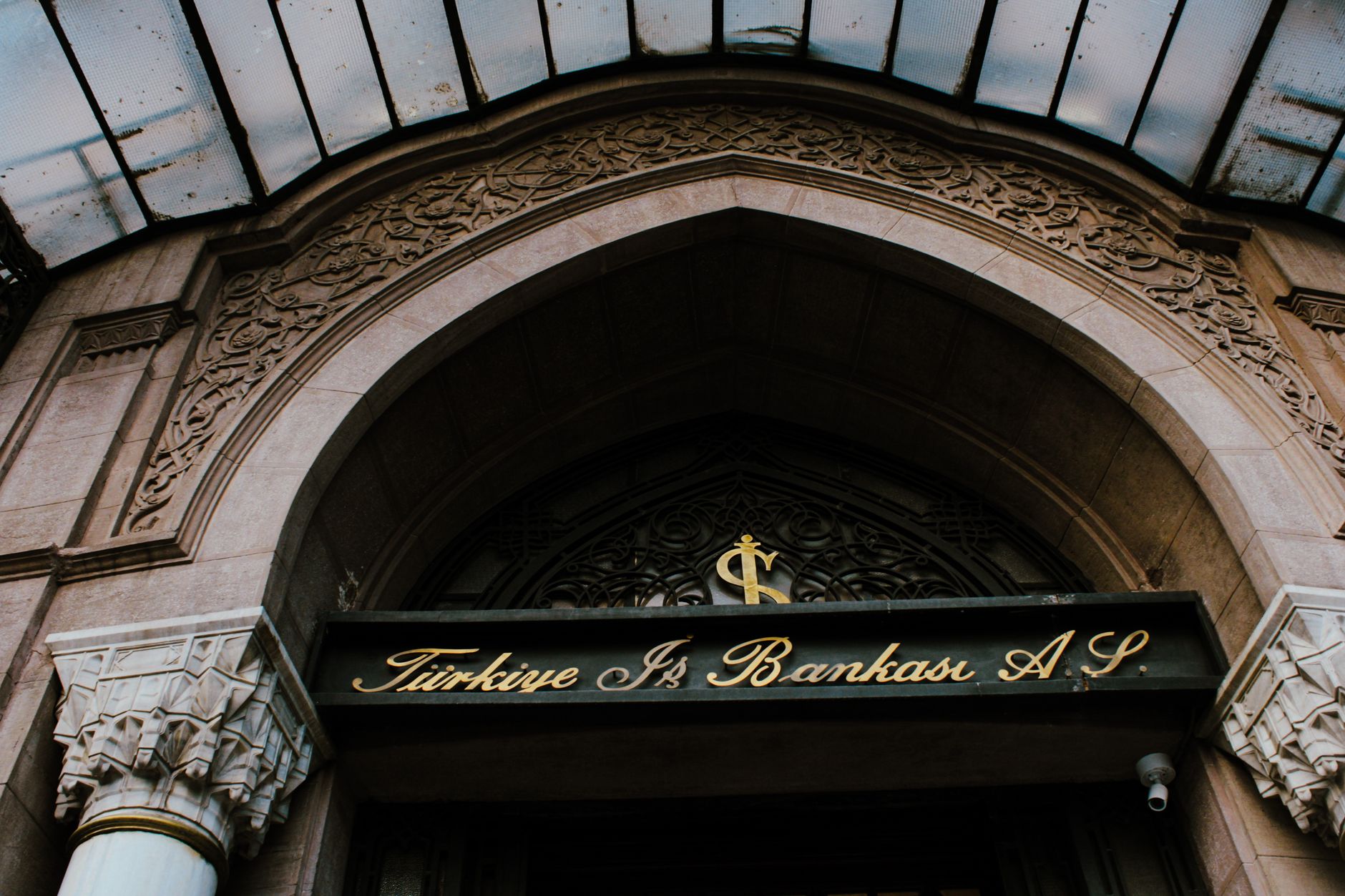
The phrase “bank failure” sounds dramatic, like something out of a 1930s newsreel with crowds pressing against locked doors. In reality, a modern bank failure is a remarkably orderly, almost boring event for the average customer — by design. Banks do still fail, even in 2026. Two did in 2025, and another, Metropolitan Bank in Chicago, was shut down by Illinois regulators in late January 2026. Yet most of the people who banked at those institutions barely noticed a disruption. Understanding why that’s true, and what actually happens behind the scenes, is one of the more reassuring things you can learn about how the financial system protects ordinary money.
So let’s walk through it: what a bank failure really is, the choreography the government runs the moment a bank closes, and what you would personally experience if your own bank were the one that went under.
What “Bank Failure” Actually Means
A bank failure is the closing of a bank by a federal or state banking regulator because the institution can no longer meet its obligations to depositors and creditors. It’s not the same as a bank having a bad quarter or losing money on some loans. Regulators step in only when a bank is genuinely insolvent or so short on cash that it can’t honor withdrawals — the point at which letting it keep operating would put depositors at risk.
When that happens, the bank’s regulator — which might be a state banking department or a federal agency — closes the institution and almost always appoints the Federal Deposit Insurance Corporation as receiver. The FDIC, created in 1933 in the wake of the Depression-era bank runs that wiped out so many families, was built for exactly this moment. And it’s worth sitting with one statistic: since the FDIC was founded, no depositor has ever lost a single penny of insured deposits. That track record is the whole reason bank failures no longer trigger panic.
It also helps to know that failures are rare and usually small. The two banks that failed in 2025 — Pulaski Savings Bank and Santa Anna National Bank — were tiny local institutions, the largest holding under $64 million in assets, and in both cases the FDIC noted suspected fraud as a contributing factor. These are not the kind of system-shaking events the term might suggest.
The FDIC Wears Two Hats
When a bank fails, the FDIC takes on two distinct jobs at the same time, and understanding the split makes the whole process click.
First, the FDIC acts as the insurer. It guarantees deposits up to the legal limit and makes sure those insured funds are protected dollar-for-dollar, including any interest that accrued right up to the day the bank closed. Second, the FDIC acts as the receiver, which means it takes over the failed bank’s assets — its loans, its buildings, its investments — and works to sell them off and settle the bank’s debts. This receivership role is the messy, behind-the-scenes cleanup that can stretch on for years, but it’s mostly invisible to ordinary depositors.
The standard insurance amount, as Bankrate and the FDIC both explain, is $250,000 per depositor, per insured bank, for each ownership category. That last phrase matters: a single person can easily be covered for far more than $250,000 at one bank by holding money across different categories — an individual account, a joint account, certain retirement accounts, and so on. For the vast majority of households, everything they hold sits comfortably under the limit and is fully protected.
What You’d Actually See as a Customer
Here’s the part that surprises people. In most failures, the FDIC’s preferred move is to arrange a sale of the failed bank to a healthy one before the public even hears about it. These closings are typically announced on a Friday afternoon, and by the following Monday the branches reopen under the new bank’s name. Your account simply transfers. Your debit card keeps working, your direct deposits keep landing, your checks keep clearing, and your balance is exactly what it was. As the FDIC explains for depositors, when a healthy bank assumes the deposits, insured customers instantly become customers of the acquiring bank with no gap in access.
When no buyer steps forward — which is less common — the FDIC pays insured depositors directly, usually by mailing a check for the insured balance. The agency’s stated goal is to get those payments out within two business days of the failure, and historically they often arrive within days. Either way, the system is engineered so that insured money is back in your hands almost immediately.
If you have a loan with the failed bank, nothing about your obligation disappears. You still owe the money, you just send your payments to whoever now holds the loan — often the acquiring bank, sometimes the FDIC as receiver. The terms of your mortgage or car loan don’t change; only the mailing address on the payment does. NerdWallet makes the same point: a failure rearranges who you bank with, not what you owe.
The One Group That Can Get Hurt
There is a scenario where someone loses money, and it’s worth being honest about it. If you held more than the insurance limit at the failed bank — say $400,000 in a single individual account — the first $250,000 is fully protected, but the remaining $150,000 becomes uninsured. You don’t simply lose it outright; instead you receive a “receiver’s certificate” and become a creditor of the failed bank’s estate. As the FDIC describes its priority of payments, you may recover some portion of those uninsured funds as the receiver sells off the bank’s assets, typically through periodic payments on a “cents on the dollar” basis. But this process can take years, and there’s no guarantee you’ll get all of it back.
This is exactly why understanding your coverage limits ahead of time is so valuable. If you ever find yourself holding more than $250,000 at one institution, the fix is straightforward: spread the money across multiple banks, use different ownership categories, or look into networks that automatically distribute large deposits across many insured banks to keep every dollar covered. It’s also a good reminder that a savings account at an FDIC-insured bank is one of the few places you can park cash with a genuine federal guarantee behind it, which is part of what makes insured deposits such a dependable foundation for an emergency fund.
The Takeaway
A bank failure in 2026 is far less frightening than the words imply. Regulators close the bank, the FDIC steps in as both insurer and receiver, and in the overwhelming majority of cases your money moves seamlessly to a healthy institution or lands back in your hands within days. The system has protected insured deposits without a single loss for more than ninety years. The only real homework on your end is to make sure your balances stay within the coverage limits and that your bank is actually FDIC-insured in the first place — a status you can verify in seconds on the FDIC’s website. Do that, and a bank failure becomes someone else’s problem to clean up, not yours.