
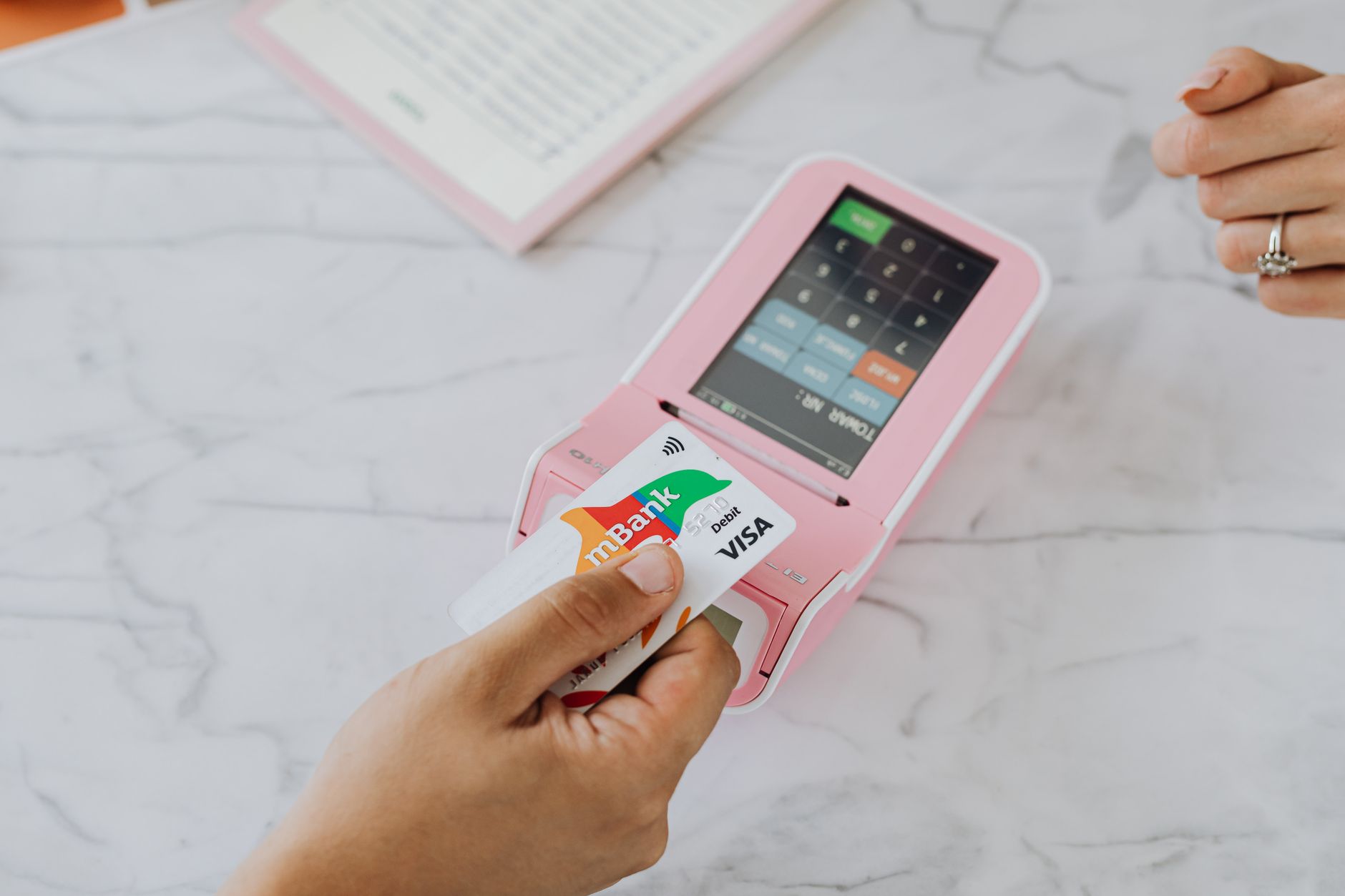
Somewhere between a paper check and a direct deposit sits a payment method a lot of workers encounter without ever choosing it. You start a new job, HR hands you an onboarding packet, and inside is a plastic card with a Visa or Mastercard logo on it. Your wages will land there every payday. No bank account required.
That is a payroll card, sometimes called a pay card. Roughly five and a half million U.S. households had no checking or savings account at all as of the FDIC’s most recent national survey, and for those workers a payroll card can be the difference between getting paid electronically and paying a check casher three percent to turn a piece of paper into cash. But the card is not a bank account, the protections around it come from a specific federal rule rather than from your employer, and the fee structure is where the whole thing either works out or quietly costs you money.
Where a Payroll Card Sits in the Financial System
A payroll card is a prepaid card issued through a bank that your employer has contracted with. Your employer sends wages to the card program instead of to a checking account you own. You then spend from the balance the way you would with a debit card, withdraw cash at an ATM, or in many programs walk into a branch of the issuing bank and do an over-the-counter withdrawal.
The distinction that matters is who holds the relationship. With direct deposit, the account is yours, opened by you, at a bank you picked. With a payroll card, the program was selected by your employer, and the account exists because of the job. Change employers and the card usually stops receiving deposits, though any balance still on it remains yours.
Funds on most payroll cards are eligible for FDIC pass-through insurance, meaning the money is insured up to the standard limit as long as the issuing bank maintains records identifying each cardholder. That is worth confirming rather than assuming, because pass-through coverage depends on how the program is structured, not on the logo on the card.
Your Employer Cannot Require You to Take One
This is the part most workers do not know, and it is not a soft guideline. Regulation E, the federal rule that governs electronic fund transfers, contains a compulsory use provision that prohibits employers from requiring employees to receive wages on a payroll card account. The CFPB states this plainly: your employer must offer at least one alternative and let you choose.
In practice that alternative is usually direct deposit to a bank account you already have, or a paper check. Some states go further and add their own paycard restrictions on top of the federal floor, covering things like fee caps and the number of free withdrawals per pay period.
The rule also requires specific language. A payroll card disclosure has to carry a statement telling you that you do not have to accept the card and should ask your employer about other ways to receive your wages. If you were handed a card during onboarding and never saw that sentence, that itself is a sign the program is not being administered the way it should be.
The Two Disclosures You Should Actually Read
The CFPB’s prepaid rule requires providers to give you two fee disclosures before you agree to be paid on a card. The short form lists the key fees on a single page in a standardized layout, which exists specifically so you can compare one program against another without reading a contract. The long form lists every fee the program can charge.
Read the short form. The fees that tend to matter are the ones tied to how you actually use money. ATM withdrawal fees, both in and out of network, come first, because if you take your whole check off the card in cash every payday, a two or three dollar fee twenty-six times a year adds up to real money. After that, look for a monthly maintenance fee, a balance inquiry fee, a declined transaction fee, an inactivity fee, and any charge for a paper statement or a replacement card.
Many programs give you at least one free withdrawal per deposit, which is often enough to make the card workable if you plan around it. The CFPB’s fee overview is a reasonable starting point for what to look for.
What Regulation E Protects, and What It Does Not
Once a payroll card falls under Regulation E, you get the same core protections that apply to debit cards. If the card is lost or stolen and you report it promptly, your liability for unauthorized transactions is limited. You have error resolution rights, meaning the issuer has to investigate a disputed transaction within set timeframes and, in many cases, give you provisional credit while it does so. You are entitled to access your transaction history, either through periodic statements or through a combination of phone and online access.
What Regulation E does not do is make the card a substitute for a bank account. There is no interest. There is generally no way to write a check against it, no linked savings, and no relationship history that helps you later when you want a loan. It also does not protect you from fees you agreed to, which is why the disclosure step matters more here than it does with an ordinary checking account.
Getting Money Off the Card Without Losing Some of It
The most expensive mistake with a payroll card is treating it like a wallet full of cash and pulling small amounts repeatedly. Every withdrawal is a potential fee event. If your program gives you one free in-network withdrawal per pay period, the cheapest pattern is usually a single trip that pulls what you need for the period, or using the card directly for purchases where a swipe costs nothing.
Cash back at a grocery store checkout is often free and can substitute for an ATM entirely. Over-the-counter withdrawals at a branch of the issuing bank are frequently free as well and let you take the full balance rather than whatever the ATM’s denomination limits allow. Many programs also permit a free transfer to an external bank account, which is the move worth making if you have a checking account and simply inherited the card by default.
Whether the Card Belongs in Your Setup at All
For a worker without a bank account, a payroll card with a reasonable fee schedule beats check cashing by a wide margin, and it gets wages into an electronic form that can pay bills online. That is a genuine improvement over cash.
For anyone who already has or can open a checking account, direct deposit is almost always the better structure. Free checking accounts with no minimum balance are widely available at credit unions and online banks, and the FDIC survey found that minimum balance requirements were the single most cited reason households stayed unbanked, a barrier that has gotten easier to clear. Having your own account also means the money is not tied to the employer relationship, and you can point deposits at a savings account to build a cushion automatically.
If you are handed a payroll card and are not sure, the safe answer is to ask for the fee schedule, ask what the alternatives are, and take a day to decide. The rule that says you cannot be forced onto the card exists precisely so that question is fair to ask.